
Static Caravan Service & Habitation Check: Cost & What's Different
By Compare Caravan Repairs, Editorial team · Published 28 June 2026 · Updated 13 September 2026
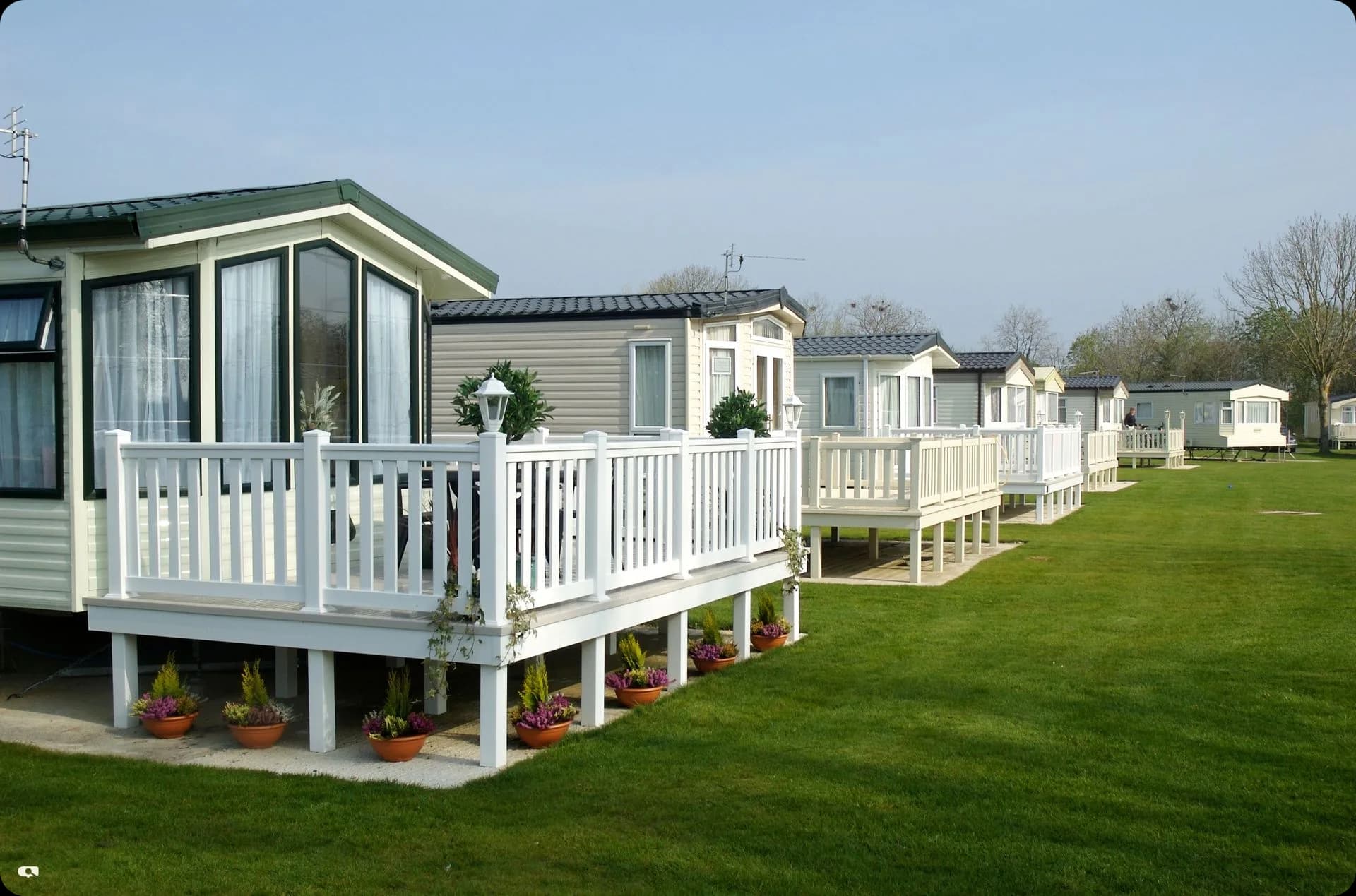
A static caravan habitation check typically costs from around £80–£180, while a separate LPG gas safety check usually runs from around £60–£120 depending on the number of appliances and your location. Unlike a touring caravan, a static has no chassis, brakes or running gear to service — so the work focuses on the habitation side: gas, electrics (often via an EICR), water, ventilation, damp and appliance safety. If you let your static out, an annual gas safety check by a registered engineer is a legal requirement. Always get itemised quotes, because exactly what's included varies between engineers.
Do static caravans need a service?
Yes — but not the same kind of service as a touring caravan. A tourer service covers the chassis, brakes, wheels, bearings and towing components alongside the living area. A static (holiday home) doesn't move, so there's no running gear to maintain. Instead, the priority is the habitation safety of the unit: gas appliances and pipework, the electrical installation, water systems, heating, ventilation and damp.
Most owners arrange an annual habitation check plus a gas safety check, and an electrical inspection (EICR) on a longer cycle. Holiday parks frequently require proof of an up-to-date gas certificate as a condition of keeping your van on the pitch, so it pays to check your licence agreement. For more on what a general inspection covers, see our servicing & checks guides.
How much does a static caravan service cost?
Because "service" means different things for a static, costs are usually broken into separate jobs:
- Habitation check: roughly £80–£180, covering damp readings, ventilation, water, appliances, fire safety and general condition.
- LPG gas safety check / certificate: roughly £60–£120 for a typical single-appliance to multi-appliance van. Prices vary by region and appliance count.
- EICR (electrical condition report): often £100–£250, depending on the size of the installation.
Bundling a habitation check and gas check together can sometimes reduce the total. These are general guide figures only — we don't set prices, and the right number is whatever a local engineer quotes you. For a fuller breakdown of tourer and static figures, see our caravan service cost guide.
What's different about a static caravan habitation check?
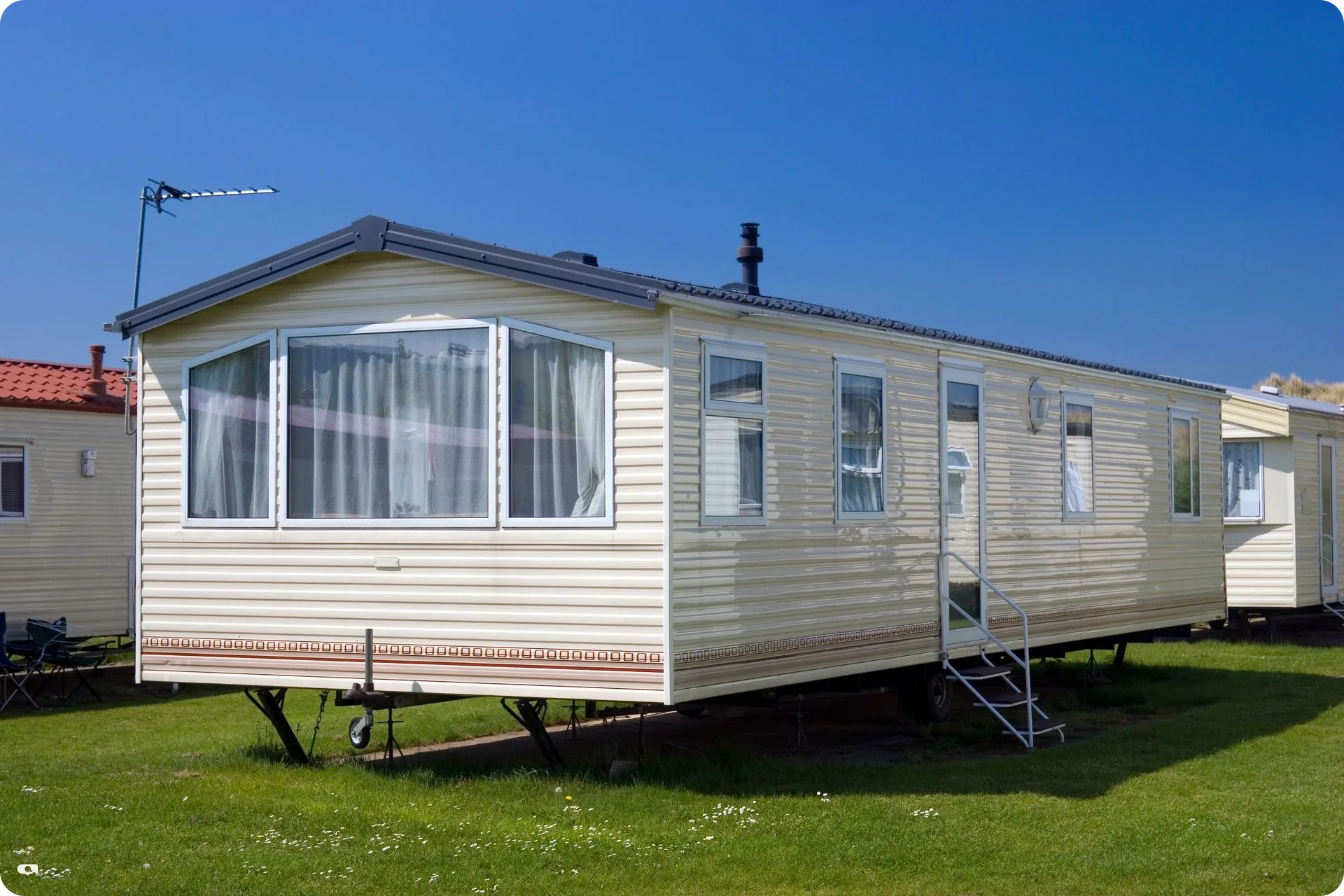
A static caravan habitation check inspects the things that keep the living space safe and watertight, but with a few static-specific differences from a tourer:
- No running gear or chassis checks — no brakes, bearings, tyres or towing gear to inspect.
- Mains-style services — statics are usually connected to a site mains electrical supply and a piped or bottled LPG supply, rather than a leisure battery and a single tourer gas locker.
- Larger water systems and fixed heating — many statics have full central heating and boilers, which adds appliances to inspect.
- Damp and structural condition — statics sit out year-round, so damp around seams, windows and the roof is a key focus.
The Approved Workshop Scheme publishes guidance on what a habitation check involves, and our own habitation checklist walks through the typical items. Damp is the single biggest value-killer for a static — if you're worried, read our damp & leaks guides.
Why is the gas check on a static different — LPG, not mains gas?
This is the big distinction. Static caravans in the UK almost always run on LPG (liquefied petroleum gas) — bottled propane or a bulk LPG tank — not piped natural (mains) gas. That matters because:
- The engineer needs the right qualification. Gas Safe registration covers specific categories of work, and LPG plus mobile/caravan holiday home work is a distinct category from domestic mains. Ask to see the engineer's Gas Safe card and check it covers LPG and caravan holiday homes. You can verify a registration on the Gas Safe Register.
- LPG is heavier than air, so it can pool low down if it leaks — making correct installation, ventilation and bottle storage especially important.
- Appliances and regulators are LPG-specific, so a domestic mains check isn't equivalent.
For a general overview of what a gas inspection covers, see our gas safety guides. We don't certify engineers ourselves — any certificate you're given is yours to verify with the engineer and the register.
Is a gas safety certificate a legal requirement for a static caravan?
It depends on how the van is used. If you let or rent out your static caravan to others, you are a landlord for gas purposes, and an annual gas safety check carried out by a suitably registered engineer is a legal duty under the Gas Safety (Installation and Use) Regulations. The Health and Safety Executive explains landlords' gas duties.
If the static is purely for your own family's use and never let, an annual gas check isn't a legal requirement in the same way — but it's strongly recommended for safety, and many holiday parks make it a condition of your pitch licence regardless. Always check your park agreement and, when in doubt, treat the annual check as essential.
What about the electrics — do statics need an EICR?
Static caravans connected to a mains supply have a fixed electrical installation that should be inspected periodically. This is usually done as an EICR (Electrical Installation Condition Report) by a suitably qualified electrician, working to the wiring standard set out by the IET. Many parks ask for an EICR on a set cycle (often every one to three years) and for let units it forms part of responsible management. As with gas, ask the inspector about their qualifications and registration with a recognised body such as NICEIC or NAPIT — verification is for you to carry out. Our electrics guides cover common faults in more detail.
How often should you service a static caravan?
A sensible annual rhythm for most owners is:
- Annual habitation check — damp, ventilation, water, appliances and general condition.
- Annual LPG gas safety check — mandatory if you let the van, recommended otherwise.
- Periodic EICR — on the cycle your park or insurer specifies.
Booking before the main season, and combining jobs where one engineer can cover them, keeps both cost and disruption down. Keep all certificates together — your park, your insurer and any future buyer may want to see them.
How do I get quotes for a static caravan service?
Compare Caravan Repairs lets you describe your static — its make, age, location and what you need (habitation check, gas certificate, EICR or all three) — and receive quotes from local engineers so you can compare on price, qualifications and availability. See how it works, or post a job to get free quotes from local caravan engineers. For more practical advice, browse The Tow-To Guide.
Ready to book? Compare quotes from caravan engineers near you and get your static checked before the season starts.
This guide is general information, not professional advice. Caravan gas, electrical, braking and towing work is safety-critical — always use a Gas Safe registered engineer or other suitably qualified professional, and don't rely on this article to carry out the work yourself.
Related guides
Mobile Caravan Engineer vs Workshop Service: Which Do You Need?
Mobile engineer or workshop? How to choose on cost, convenience and what each can actually do for your caravan.
28 June 2026

Caravan EICR & Electrical Safety Check: Cost and What's Different
A caravan EICR isn't a domestic one — BS 7671 Section 721 explained, when you need the report, and what it costs.
27 June 2026
Caravan Gas Safety Check & Certificate: Cost and What's Involved
Who can carry out a caravan gas safety check, what the tightness test involves, when you need a certificate, and what it costs.
27 June 2026
Need work on your caravan?
Post your job to Compare Caravan Repairs and compare quotes from local engineers — free, with no obligation.
Post a job