
Caravan EICR & Electrical Safety Check: Cost and What's Different
By Compare Caravan Repairs, Editorial team · Published 27 June 2026 · Updated 12 September 2026

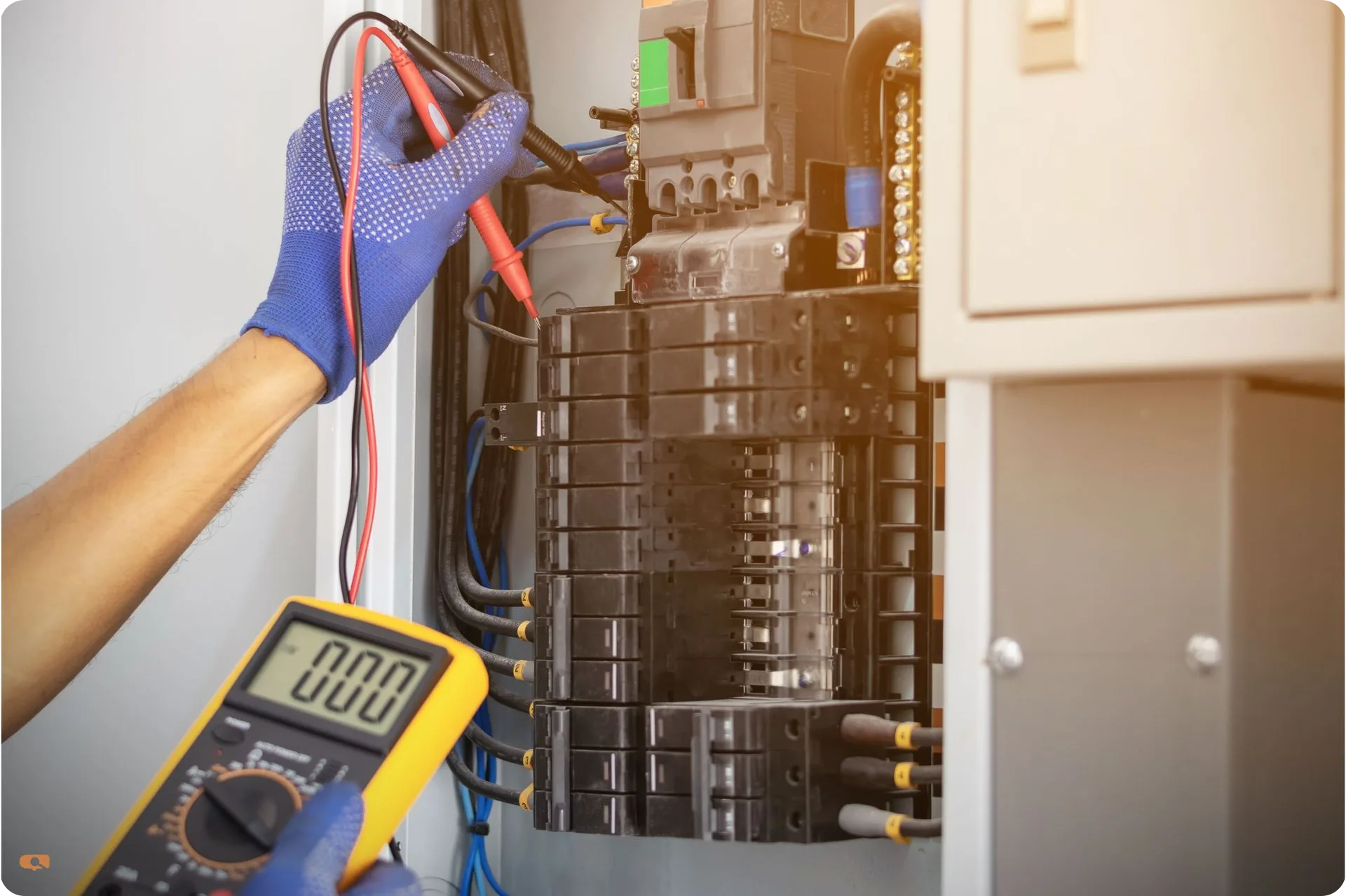
A caravan EICR (Electrical Installation Condition Report) is an inspection and test of your caravan's 230V mains wiring, sockets, RCD and consumer unit, carried out by a competent electrician to confirm it is safe to use. It differs from a household EICR because caravans are assessed against the specific requirements of BS 7671 Section 721 — the wiring regulations for leisure accommodation vehicles — rather than general domestic rules, and Part P of the Building Regulations does not apply to caravans. As a guide, a caravan EICR typically costs around £150–£250 in the UK, depending on the unit and your location. It is not a legal requirement for private owners, but it is strongly advised when buying, selling or hiring out a van.
What is a caravan EICR?
An EICR is a periodic safety check of a fixed electrical installation. For a caravan or motorhome that means the 230V side — the hook-up inlet, the consumer unit (including the RCD and circuit breakers), the fixed wiring, socket outlets, and the bonding and earthing arrangements. The electrician carries out a visual inspection plus a series of live and dead tests, then issues an caravan electrical certificate (the EICR document) recording the condition of the installation and any defects coded C1 (danger present), C2 (potentially dangerous) or C3 (improvement recommended).
The 12V side of a caravan (leisure battery, lighting, water pump, control panel) is a separate low-voltage system. A full habitation check usually covers the 12V circuits and basic mains function, but a dedicated EICR focuses on the 230V installation and provides the formal certificate. The two complement each other — see our habitation service checklist for what a full check includes.
How is a caravan EICR different from a domestic one?
The principles are the same, but caravans are tested against Section 721 of BS 7671 (the IET Wiring Regulations), which sets out special requirements for the electrical installations of caravans and motor caravans. Key differences include:
- The supply is a flexible hook-up lead, not a fixed house service — so the inlet, lead and polarity arrangements are checked carefully.
- The whole van moves and vibrates, so connections, cable support and the integrity of the earth/bonding are scrutinised more than in a static building.
- Damp, condensation and limited space make accessory selection and protection important.
- Part P does not apply. Part P of the Building Regulations covers electrical work in dwellings in England and Wales; a touring caravan is not a dwelling, so the notification and certification regime that applies to home rewires does not apply here. The work is still expected to meet BS 7671.
Because of this, you want an electrician who is familiar with leisure vehicles rather than only house wiring. You can verify an electrician's competence with the relevant trade body — for example via the NICEIC — and it remains the owner's responsibility to check any certificate or registration an engineer provides.
When do I need a caravan electrical safety check?
For a privately owned touring caravan used by you and your family, a periodic EICR is not a legal obligation. However, a caravan electrical inspection is sensible — and sometimes required — in these situations:
- Buying or selling a used van — an EICR gives both parties confidence about hidden faults.
- After any electrical work, alteration or addition — for example fitting a mover, inverter or extra sockets.
- Hiring out or letting a static — many holiday-park and rental operators require a current certificate, often renewed every one to three years. Check your park's rules and any insurance conditions.
- If you've had recurring problems such as an RCD that keeps tripping or scorched socket fittings.
- Older vans or unknown history — a baseline report is worth having.
For statics on a park, an EICR often sits alongside the annual gas check and routine static caravan servicing. It's also a natural companion to your gas safety check at the same visit.
How much does a caravan EICR cost?
As a rough UK guide, a standalone caravan EICR usually costs around £150–£250. Some specialist caravan service providers publish figures in this region — for example, published price lists for touring caravan inspections list an EICR at roughly £230 (see On Site Caravan Services' price list). The final price depends on:
- Caravan vs static vs motorhome — larger or more complex installations take longer to test.
- Your location and call-out distance — mobile engineers may add travel.
- Whether it's bundled with a habitation service or gas check, which often works out cheaper than booking separately.
- The condition of the installation — remedial work to fix coded defects is quoted separately.
For context on bundled visits, our guide to how much a caravan service costs breaks down what's included. The best way to know your real cost is to compare local quotes rather than rely on a single headline figure.
What happens during the inspection?
A typical caravan electrical safety check involves:
- Visual inspection of the consumer unit, sockets, accessories, cable runs and the hook-up inlet.
- Dead testing — continuity of conductors and bonding, insulation resistance, and confirming the circuits are correctly arranged.
- Live testing — checking earth fault loop impedance, RCD operation (trip times), and correct polarity.
- Recording defects with C1/C2/C3 codes and issuing the EICR with an overall satisfactory or unsatisfactory result.
If the report is unsatisfactory, the electrician will recommend remedial work. C1 items mean stop using the installation until it's made safe; C2 items need attention soon. Ask for the remedial work to be quoted clearly so you can compare.
How do I find someone to do a caravan EICR?
Look for an electrician experienced with leisure vehicles and current with BS 7671, including Section 721. You can find a local caravan engineer through our platform, and it's wise to ask to see their qualifications and registration — remember that verifying any certificate is the owner's responsibility, as Compare Caravan Repairs is a comparison and lead service, not a certifying body. Here's how posting a job and comparing quotes works.
Compare quotes for your caravan EICR
Ready to book a caravan electrical safety check? Post the details of your van once and get free quotes from local caravan engineers so you can compare price, availability and experience in one place. Browse more advice in The Tow-To Guide while you decide.
This guide is general information, not professional advice. Caravan gas, electrical, braking and towing work is safety-critical — always use a Gas Safe registered engineer or other suitably qualified professional, and don't rely on this article to carry out the work yourself.
Related guides
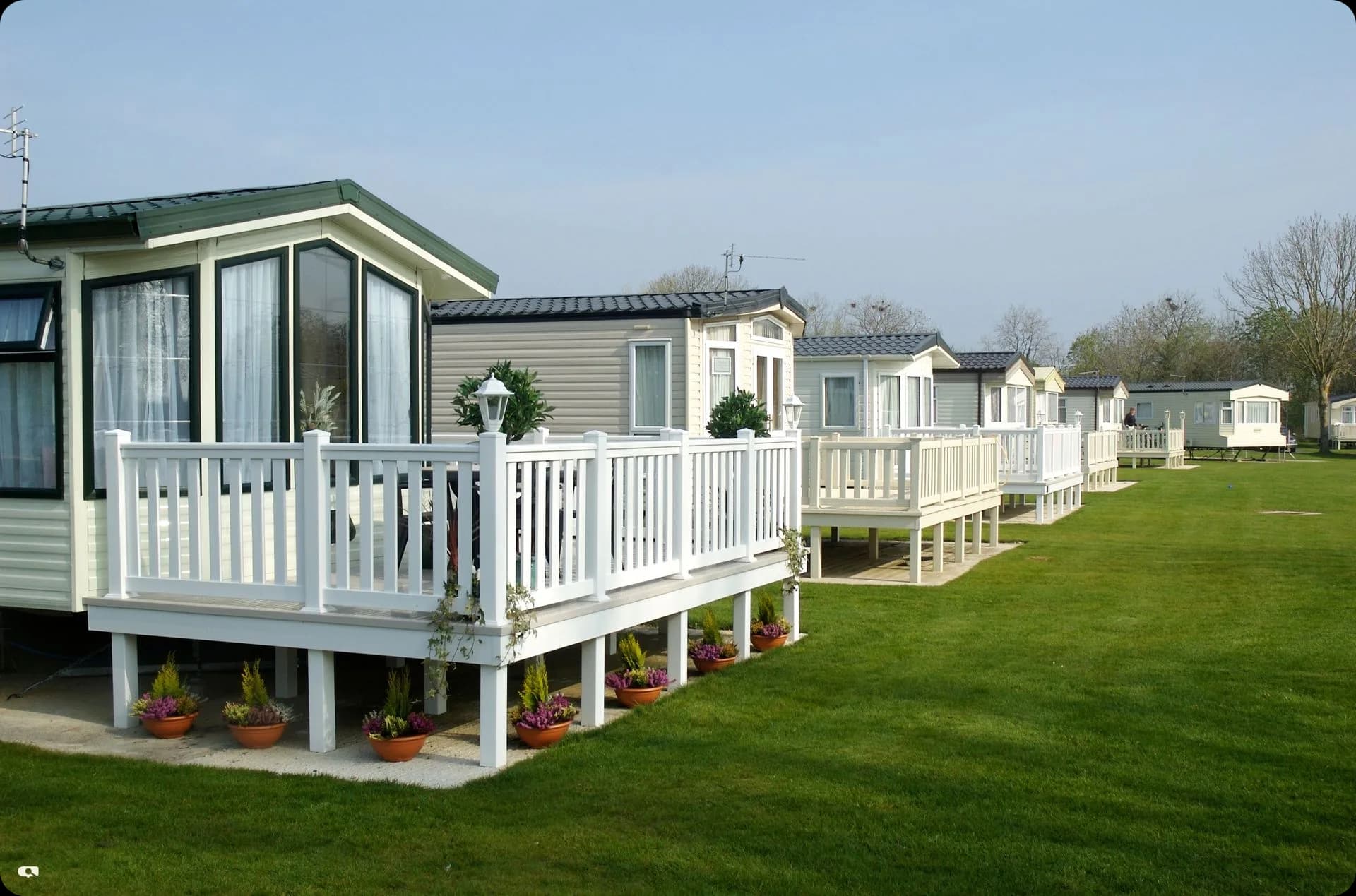
Static Caravan Service & Habitation Check: Cost & What's Different
How servicing a static differs from a tourer — habitation checks, gas certificates and EICRs, and what each one costs.
28 June 2026
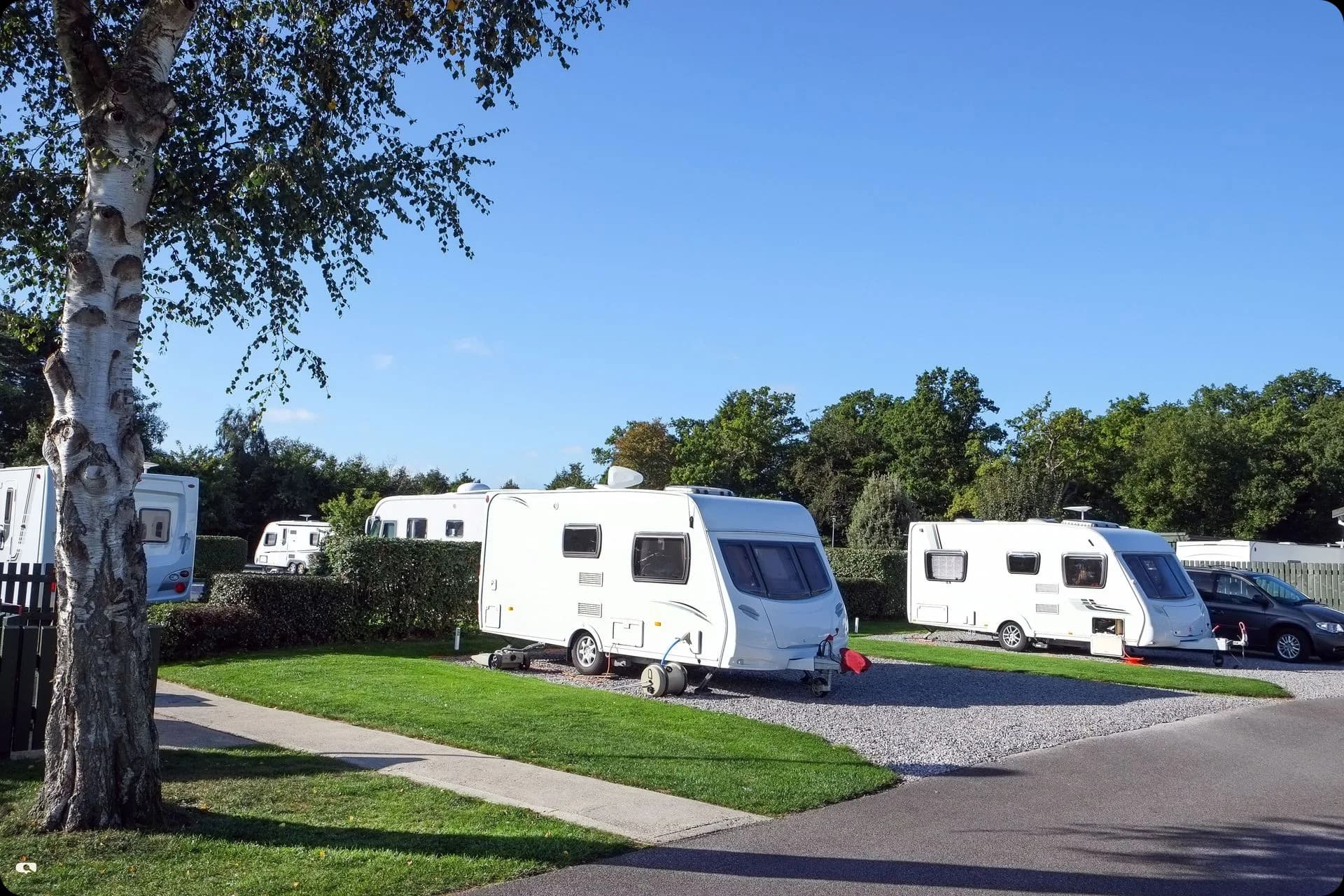
Mobile Caravan Engineer vs Workshop Service: Which Do You Need?
Mobile engineer or workshop? How to choose on cost, convenience and what each can actually do for your caravan.
28 June 2026

What's Included in a Caravan Habitation Service? The Full Checklist
Every check in a caravan habitation service, from gas drop tests and damp surveys to electrical safety and bodywork seals.
27 June 2026
Need work on your caravan?
Post your job to Compare Caravan Repairs and compare quotes from local engineers — free, with no obligation.
Post a job