
Mobile Caravan Engineer vs Workshop Service: Which Do You Need?
By Compare Caravan Repairs, Editorial team · Published 28 June 2026 · Updated 9 September 2026
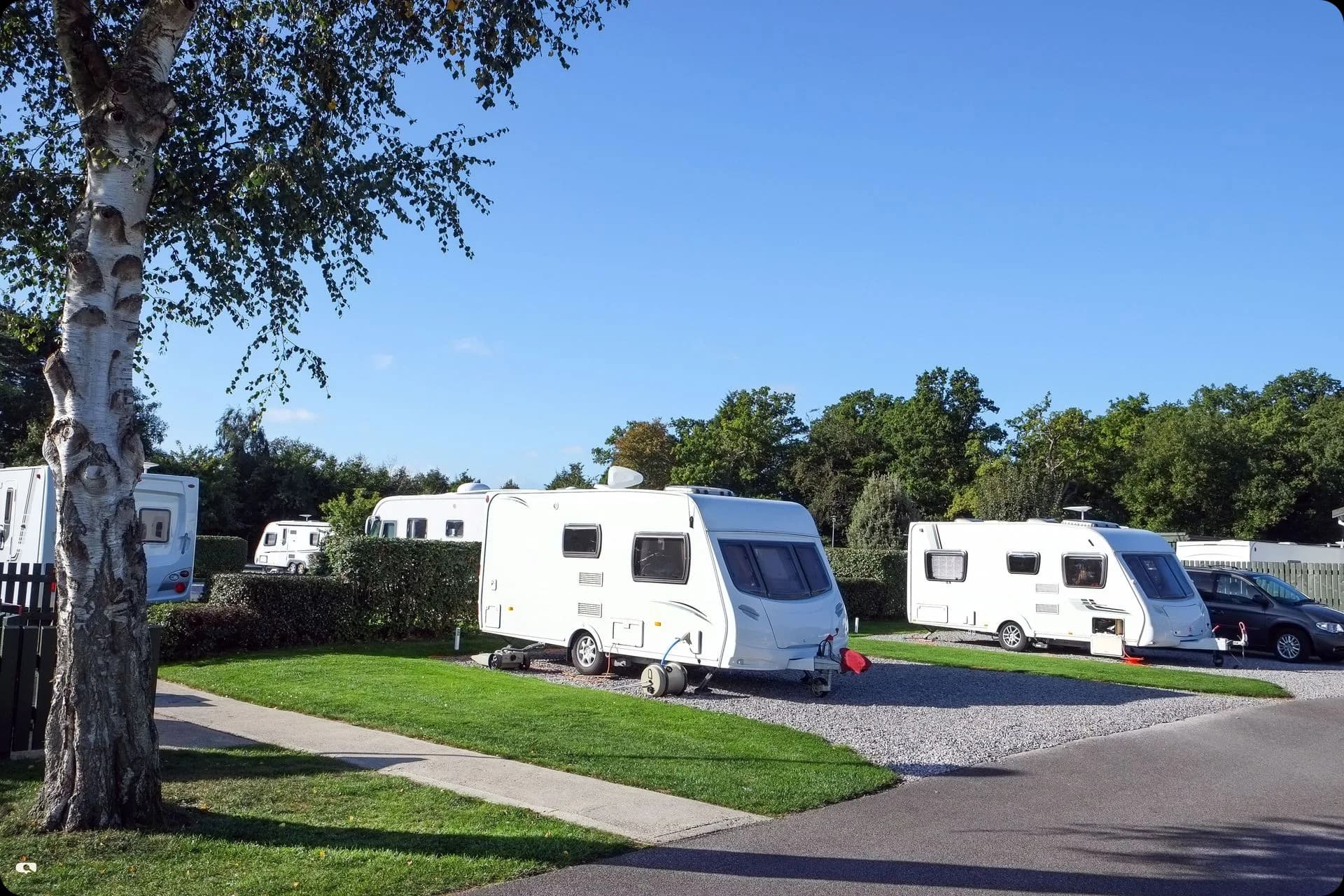
For most routine work — annual servicing, habitation checks, damp inspections, gas and appliance checks, minor repairs and fault diagnosis — a mobile caravan engineer who comes to your home, storage site or pitch is the simplest and often cheapest option. A workshop service tends to win when the job needs a ramp, specialist tools, a controlled environment or major structural and bodywork repairs, such as chassis work, full damp re-skins or insurance accident repairs. In short: choose mobile for convenience and everyday maintenance, and a workshop for big or equipment-heavy jobs. Below we break down cost, convenience and capability so you can decide quickly — and compare local quotes either way.
What is the difference between a mobile caravan engineer and a workshop?
A mobile caravan engineer is a qualified technician who travels to wherever your caravan is — your driveway, a storage compound or a campsite — and carries out work on site using a van full of tools and spares. A caravan workshop is a fixed premises, often attached to a dealership or independent repair centre, where you take the caravan to them.
Both can be staffed by technicians with the same training. The real difference is the environment: a workshop has ramps, lifting gear, power, water, jigs and bench space, while a mobile engineer brings a practical kit designed for on-site servicing and the most common repairs.
What can a mobile caravan engineer do?
A well-equipped mobile engineer handles the large majority of what owners actually need year to year:
- Annual servicing and habitation checks
- Damp testing and tracing leaks (see our damp & leaks guides)
- Gas appliance checks and gas safety work by a suitably qualified engineer (more in our gas safety guides)
- 12V and 230V electrical fault-finding and repairs (electrics guides)
- Heating, fridge and water-system diagnosis and fixes (heating & appliances guides)
- Brakes, hubs and running-gear adjustment and servicing (brakes & running gear guides)
- Replacing windows, rooflights, locks, blinds and trims
- Pre-purchase inspections and warranty servicing where the firm is authorised
Always check what qualifications and insurance an individual holds for the specific work — for example, gas work should be carried out by an engineer registered for caravan LPG. You can read more about who is qualified to do what in our companion guide on servicing and checks.
What is a workshop service better for?
A workshop comes into its own when the job is too big, too messy or too specialist for a driveway. Typical workshop-only work includes:
- Major damp repairs and full wall, floor or roof re-skins
- Chassis, axle and major running-gear repairs needing a ramp and lifting equipment
- Accident and insurance repairs, including bodywork and panel replacement
- Structural delamination and water-ingress rebuilds
- Jobs requiring a dry, heated environment over several days while sealant or resin cures
- Warranty work that a manufacturer ties to an approved fixed premises
If your caravan needs to be off the road for days, or the repair involves stripping it down, a workshop is usually the right call. Many mobile engineers will tell you honestly when a job is beyond on-site work and should go to a fixed unit. A useful marker of a well-equipped workshop is membership of the Approved Workshop Scheme (AWS), the caravan industry's recognised service and repair accreditation — though plenty of good independent engineers operate outside it too.
Is a mobile caravan engineer cheaper than a workshop?
For routine servicing, mobile is often the more economical choice because there is no premises overhead and no need to tow your caravan anywhere — which saves you fuel, time and, if your van is in storage, the hassle of retrieving it. Mobile engineers may add a call-out or mileage element depending on distance, so it is worth confirming that up front.
Workshops can be competitive on large or complex jobs where their equipment makes the work faster and more reliable, and where the fixed environment is essential to do the job properly. Prices vary by region, caravan age and what's included, so the only reliable way to know is to compare a few like-for-like quotes. For typical figures and what's included in a service, see our guide on how much a caravan service costs, part of our wider service cost hub.
Do I need a mobile caravan engineer or a workshop for my situation?
Use this quick decision check:
- Routine service or habitation check? Mobile — convenient and usually cheaper.
- Damp test or tracing a leak? Mobile for diagnosis; workshop if it turns into a major repair.
- Gas, electrical or appliance fault? Mobile, using a suitably qualified engineer.
- Brakes, bearings or running-gear adjustment? Mobile for most of it; workshop for axle or chassis work.
- Accident damage, bodywork or full re-skin? Workshop.
- Caravan in storage and awkward to move? Mobile saves you towing it anywhere.
- Manufacturer warranty requires an approved centre? Check the warranty terms first.
When in doubt, describe the problem to an engineer and let them advise — a good one will tell you if it needs a workshop.
Does mobile servicing affect my warranty or resale?
What matters for warranty and resale is that the work is done to the correct standard, properly documented and stamped in your service record by a qualified person — not whether it happened on your drive or in a unit. Check your manufacturer's warranty terms, as some require servicing by an approved business or to a set schedule. Keep all paperwork, invoices and any gas or electrical certificates; these are for you to retain and verify. If you're unsure who is allowed to carry out a particular job, our guide on who can service a caravan walks through the qualifications and accreditations to look for.
How do I find and compare local caravan engineers?
Compare Caravan Repairs is built for exactly this decision: you describe the job once, and local engineers — both mobile and workshop-based — come back to you with quotes so you can compare price, availability and what's included — without ringing round. It's free to post a job, and you choose who to use.
Here's how to get started:
- Post your job and get free quotes from local caravan engineers
- See exactly how it works — posting a job and comparing replies
- Browse and find a caravan repairer near you
- Read more in The Tow-To Guide
Compare Caravan Repairs is a comparison and lead platform — it doesn't vet or certify engineers, so always check an engineer's qualifications, insurance and any certificates yourself before booking.
Ready to compare quotes?
Whether you need a mobile caravan engineer for a service on your driveway or advice on whether a workshop is the better fit, the quickest way to find out is to ask local engineers. Post your job on Compare Caravan Repairs and compare quotes from caravan engineers near you today.
This guide is general information, not professional advice. Caravan gas, electrical, braking and towing work is safety-critical — always use a Gas Safe registered engineer or other suitably qualified professional, and don't rely on this article to carry out the work yourself.
Related guides
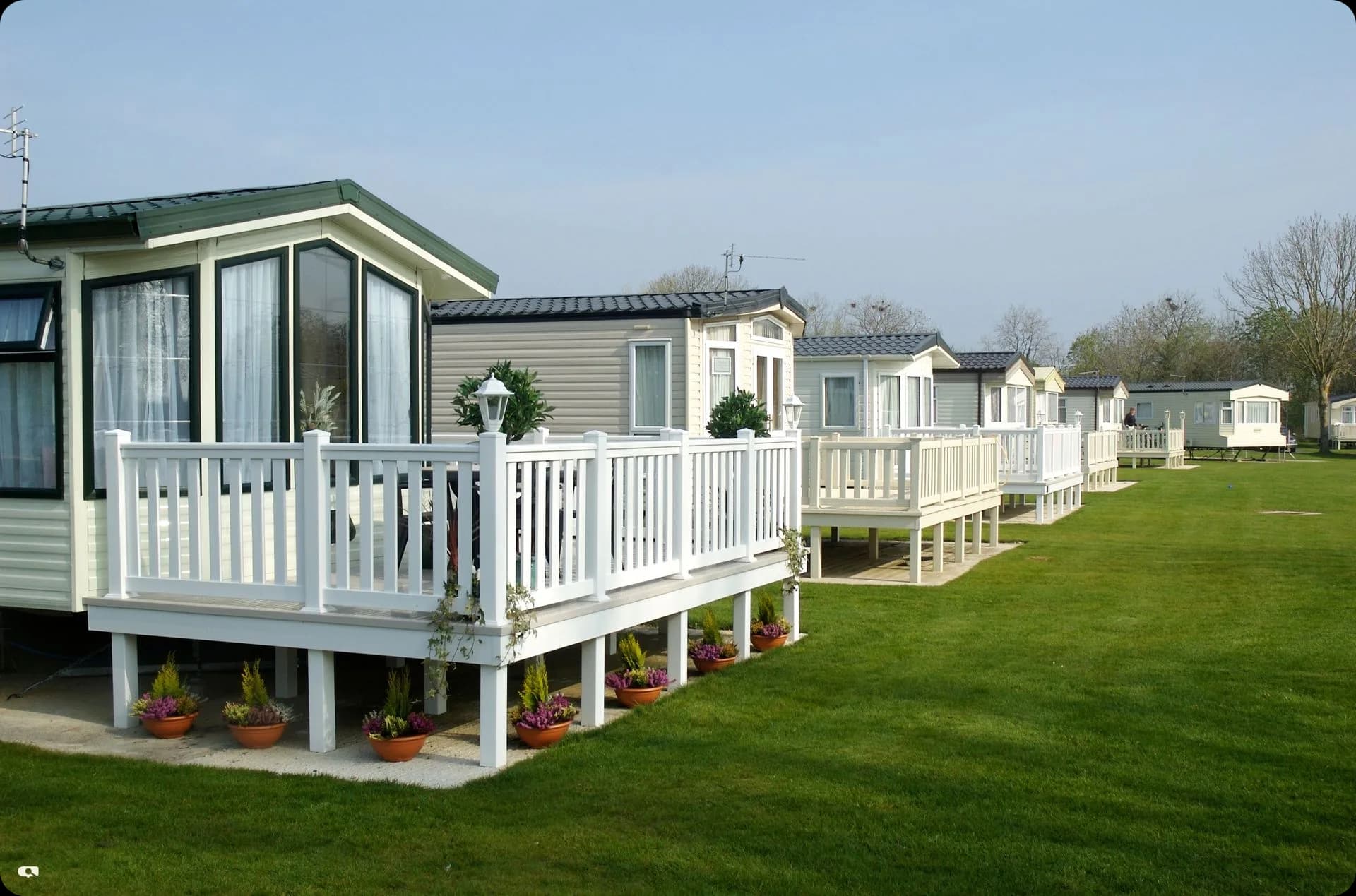
Static Caravan Service & Habitation Check: Cost & What's Different
How servicing a static differs from a tourer — habitation checks, gas certificates and EICRs, and what each one costs.
28 June 2026

Caravan EICR & Electrical Safety Check: Cost and What's Different
A caravan EICR isn't a domestic one — BS 7671 Section 721 explained, when you need the report, and what it costs.
27 June 2026

What's Included in a Caravan Habitation Service? The Full Checklist
Every check in a caravan habitation service, from gas drop tests and damp surveys to electrical safety and bodywork seals.
27 June 2026
Need work on your caravan?
Post your job to Compare Caravan Repairs and compare quotes from local engineers — free, with no obligation.
Post a job