
Caravan Gas Safety Check & Certificate: Cost and What's Involved
By Compare Caravan Repairs, Editorial team · Published 27 June 2026 · Updated 11 September 2026
A caravan gas safety check typically costs around £60–£120 in the UK, with many engineers charging roughly £85. It must be carried out by a Gas Safe registered engineer who holds the correct LPG and caravan qualifications. The check covers your gas appliances, pipework and ventilation, and includes a tightness (drop) test to confirm there are no leaks. You'll usually only need a written certificate if a holiday park, your insurer, or a letting arrangement asks for one — but a check is always worth doing for safety.
How much does a caravan gas safety check cost?
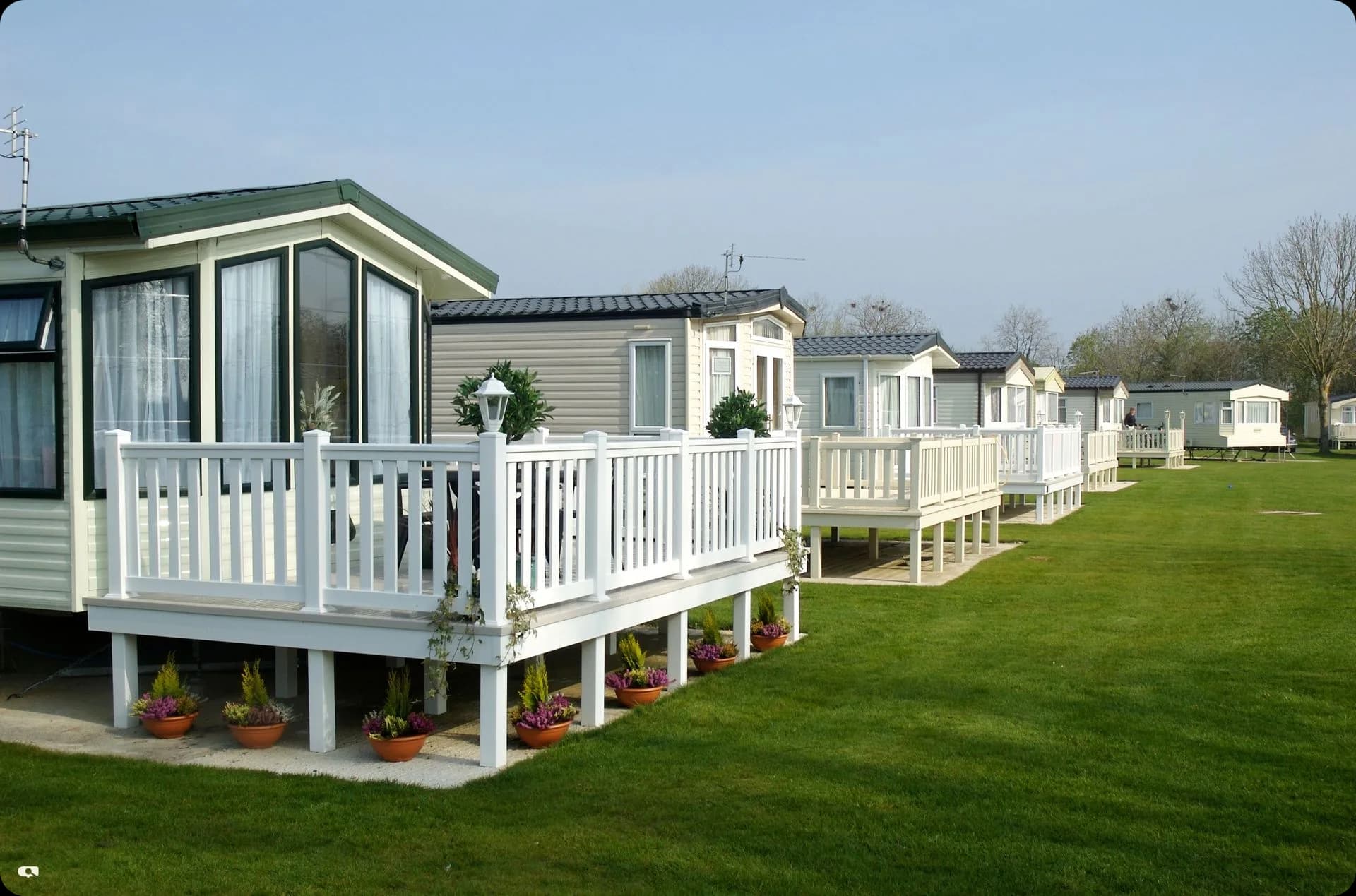
For a touring caravan or motorhome, expect to pay roughly £60–£120 for a standalone gas safety check, with a typical figure around £85. Static caravans and holiday homes often sit at the higher end or slightly above, because there are usually more appliances to inspect and the pipework runs are longer.
What you pay depends on:
- How many gas appliances you have (hob, oven, fridge, space heater, water heater).
- Whether it's a standalone visit or bundled into a full service or habitation check — bundling is usually cheaper overall.
- Your location and travel, and whether the engineer comes to a storage site, your home, or a park pitch.
- Whether a certificate is issued, as some engineers charge a small amount more for the paperwork.
If a fault is found, putting it right is a separate cost. General domestic gas-certificate price guides such as Checkatrade's gas safety certificate guide can be a useful reference point, but caravan LPG work is specialist — see our caravan service cost guide for how gas checks fit into wider servicing.
Who can do a caravan gas safety check?
Gas work on a caravan must legally be carried out by an engineer who is on the Gas Safe Register — this is the UK's official registration body for gas engineers. Registration alone isn't enough, though: the engineer needs the right qualifications for LPG (caravans run on bottled propane or butane, not mains natural gas) and for the type of caravan you own.
The key qualifications to look for are:
- LPG categories — the engineer must be qualified to work on liquefied petroleum gas, not just natural gas.
- CONGLP1 (and LAV) — the recognised qualification route for leisure accommodation vehicles such as touring caravans and motorhomes.
- The appropriate static/park-home categories if you have a holiday home or residential park home.
Every Gas Safe registered engineer carries an ID card that lists the specific categories of work they're qualified for. You can check an engineer's registration and the work they're approved to do on the Gas Safe Register website. As a comparison platform, Compare Caravan Repairs doesn't vet or certify engineers — always confirm the card and qualifications yourself before any gas work begins. You can find a local caravan engineer through our site and ask to see their credentials.
What's involved in a caravan gas safety check?
A thorough gas safety check looks at the whole LPG system, not just one appliance. A competent engineer will typically:
- Inspect the gas bottles, regulator and connections in the gas locker for damage, corrosion or out-of-date hoses.
- Carry out a tightness (drop) test on the pipework — see below.
- Check each appliance (hob, oven, grill, fridge, space and water heaters) for safe operation and correct flame.
- Test for the safe combustion of gas, looking at flame picture and, where relevant, flue and burner condition.
- Confirm ventilation — fixed vents must be clear and adequate, because LPG appliances need airflow to burn safely and to prevent carbon monoxide build-up.
- Check flame-failure devices and stability of appliances.
Gas is one part of staying safe on tour — pair it with our habitation checklist guidance and keep heating and appliances maintained year-round.
What is the tightness (drop) test?
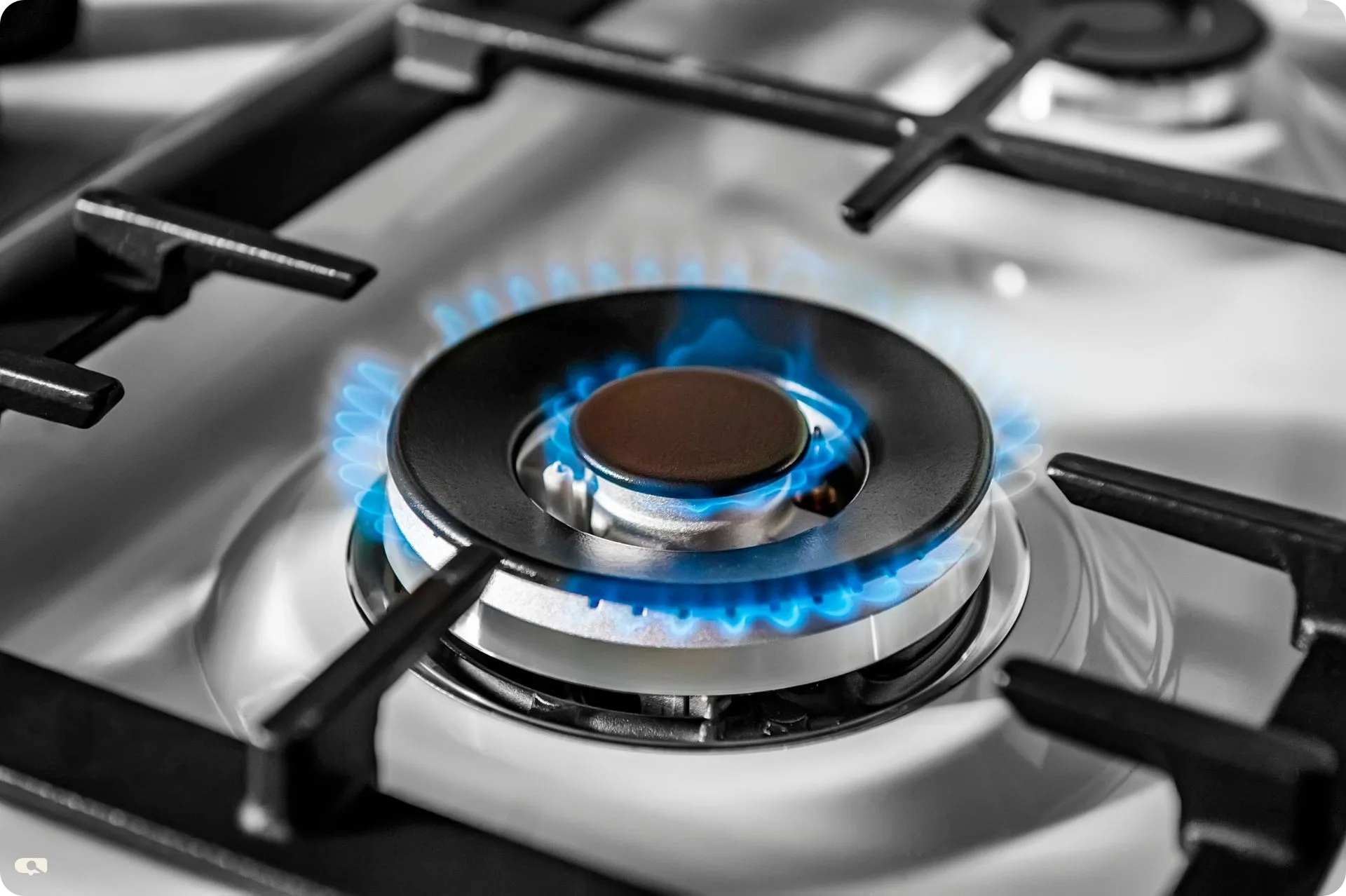
The tightness test, often called a drop test, is the core of any gas safety check. The engineer pressurises the gas system to a set test pressure using a gauge (a manometer), then isolates it and watches whether the pressure holds steady over a timed period. If the pressure drops, gas is escaping somewhere in the pipework, fittings or appliances, and the system fails the test.
A failed tightness test means there's a leak that must be traced and repaired before the system is signed off as safe. This is exactly why gas work should be left to a qualified engineer with calibrated equipment — a leak you can't smell can still be dangerous.
When do you need a caravan gas safety certificate?
A safety check is always worthwhile, but a written caravan gas safety certificate becomes important in specific situations:
- Holiday park rules — many parks require an in-date gas certificate before they'll let a static caravan or holiday home stay on the pitch, often annually.
- Insurance — some policies ask you to keep gas (and electrics) regularly checked, and a certificate is your evidence. Check your own policy wording.
- Letting or hiring out — if you rent your caravan to paying guests, you take on duties similar to a landlord's, and a current gas safety record is normally expected.
- Selling — a recent certificate reassures a buyer the gas system is sound.
For static caravans specifically, parks frequently set their own annual requirement; price and frequency guides such as North East Gas's static caravan gas check guide explain the typical park context. If in doubt, ask your park or insurer in writing exactly what they require, and confirm the engineer will issue the documentation you need.
How often should you have a caravan gas check?
A yearly check is the sensible default, and it usually lines up neatly with an annual service or habitation check. For static caravans and let units, an annual certificate is commonly required or expected. It's also worth booking a check whenever you buy a used caravan, after any gas appliance is added or moved, or if you ever notice the smell of gas, sooty marks, or appliances not burning cleanly.
Don't forget the rest of your safety setup: a working carbon monoxide alarm is essential alongside gas work, and your 230V electrics should be checked too — see our electrics guides for more on caravan EICR-style inspections. For holiday homes, our static caravan guidance covers how gas and servicing combine.
How do you book and compare caravan gas check quotes?
Because prices and qualifications vary, it pays to compare a few local engineers rather than taking the first quote. Posting the job once and letting nearby engineers respond is the quickest way to see realistic prices for your caravan and location. Here's how it works — you describe what you need, then compare replies.
When comparing, check that each quote includes a Gas Safe registered engineer with the correct LPG and caravan qualifications, confirms a tightness test, and states clearly whether a certificate is provided.
Ready to sort your gas safety? Post your job and compare quotes from local caravan engineers today, or browse more advice in The Tow-To Guide.
This guide is general information, not professional advice. Caravan gas, electrical, braking and towing work is safety-critical — always use a Gas Safe registered engineer or other suitably qualified professional, and don't rely on this article to carry out the work yourself.
Related guides
Need work on your caravan?
Post your job to Compare Caravan Repairs and compare quotes from local engineers — free, with no obligation.
Post a job