
How Much Does Caravan Damp Repair Cost? (UK 2026)
By Compare Caravan Repairs, Editorial team · Published 25 June 2026 · Updated 10 September 2026
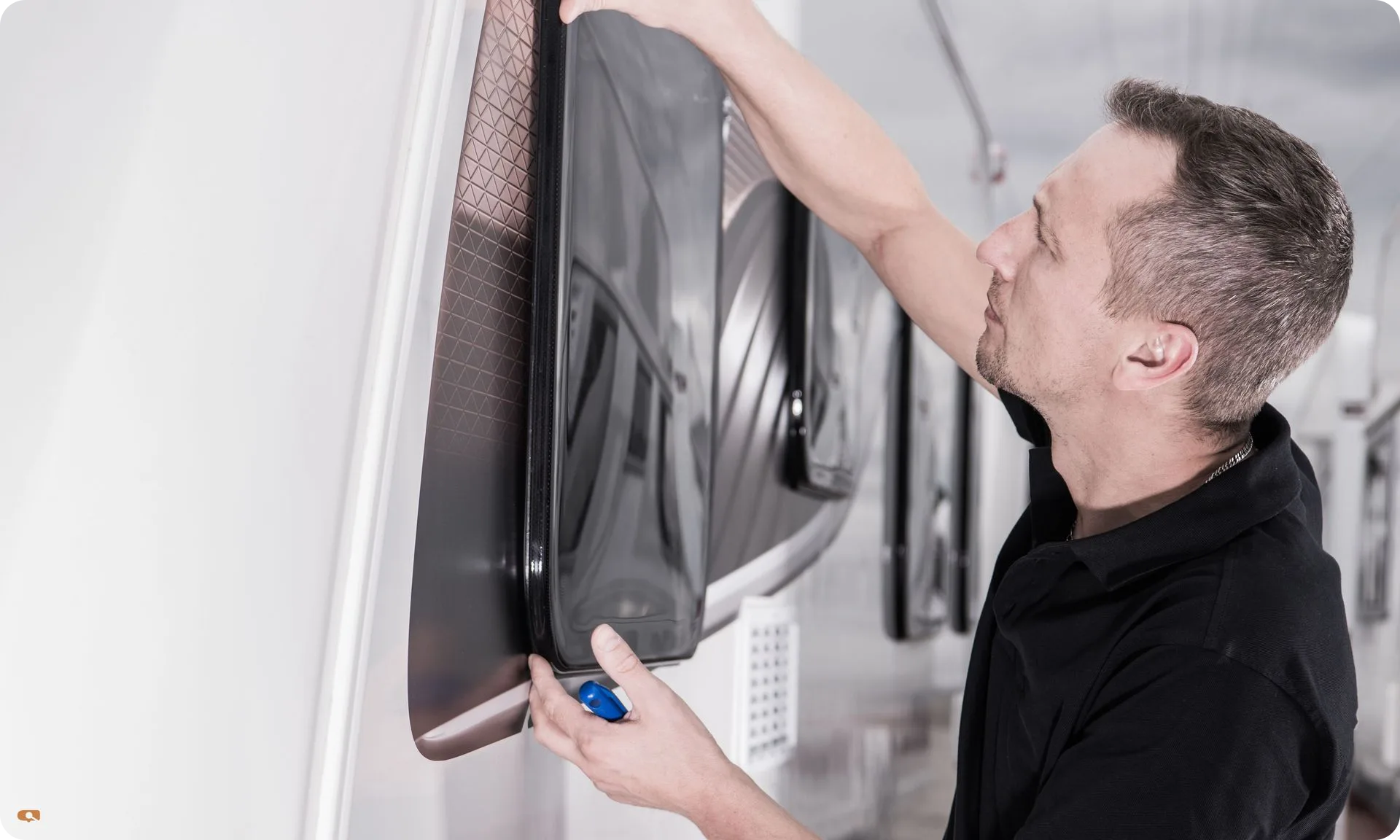
Caravan damp repair in the UK typically costs anywhere from around £80 to £400 for a minor reseal, £500 to £600+ for a full body reseal, and £1,500 to £3,500 or more for panel replacement or structural repair where the timber frame or floor has rotted. Most workshops charge labour at roughly £50–£75 per hour. The huge spread comes down to how far the water has travelled before anyone caught it: a fresh leak around one window is cheap, a soft wall or delaminated floor is not. Damp is the single most expensive repair cluster in caravanning, so the earlier you act, the less you pay.
How much does caravan damp repair cost in the UK?
Damp pricing is best understood in tiers, because the cost is driven by how much has to be stripped, dried and rebuilt rather than by a single fixed rate.
- Minor reseal / spot repair — around £80–£400. Re-sealing a single window, rooflight, awning rail or seam where the sealant has perished. Often a short job with little or no internal damage.
- Full external reseal — around £499–£600+. Stripping and renewing all the body sealant on joints, trims and fittings. Commonly recommended on older vans as preventative work, or where damp readings are creeping up across several points.
- Panel and structural repair — around £1,500–£3,500+. Replacing rotten wall sections, re-bonding or replacing delaminated floor, renewing internal timber framing, or fitting a new panel. Costs climb quickly once joinery and refitting are involved.
These figures are broadly in line with published UK trade cost guides such as Checkatrade's caravan damp repair guide and the price lists some workshops publish, for example Berkshire Caravan Repairs. Treat them as a planning range — the only way to know your number is a quote based on actual damp readings. To compare prices for your van, you can get free quotes from local caravan engineers.
What drives the price of caravan damp repair?
Two vans with "damp" can get wildly different bills. The variables that matter most are:
- How far the water has spread. A surface reseal is cheap. Once moisture reaches the timber frame, floor or wall bonding, you move into structural territory and costs multiply.
- Where the damp is. A front or rear panel with curved trims and many fittings is more labour-intensive than a flat side wall. Floor delamination often means lifting furniture and fittings to reach it.
- Drying time. Affected areas usually need to dry fully before rebuilding, which adds workshop days.
- Parts and materials. Replacement panels, bonded floor sections, sealant, trims and timber all add up, and panel matching on older or discontinued models can be tricky.
- Labour rate and location. Expect roughly £50–£75 per hour, with southern and specialist workshops often at the higher end.
- Hidden damage discovered on strip-down. Damp jobs frequently grow once panels come off, so quotes may be staged.
How much does a caravan reseal cost?
Resealing is the front line against water ingress and the cheapest point to intervene. A targeted reseal of a single leaking joint or fitting is usually a few hundred pounds at most, while a complete external reseal of all seams, trims and fittings typically lands around the £500–£600+ mark depending on van size and condition.
Resealing is preventative as much as curative: caravan body sealant has a finite life and perishes with UV exposure and flexing on the road. Many owners schedule a full reseal proactively on older vans to avoid the far larger panel and structural bills. For a deeper breakdown, see our dedicated guide on caravan reseal cost, and read up on spotting trouble early in our damp signs and prevention guide.
How much does it cost to fix a caravan roof or window leak?
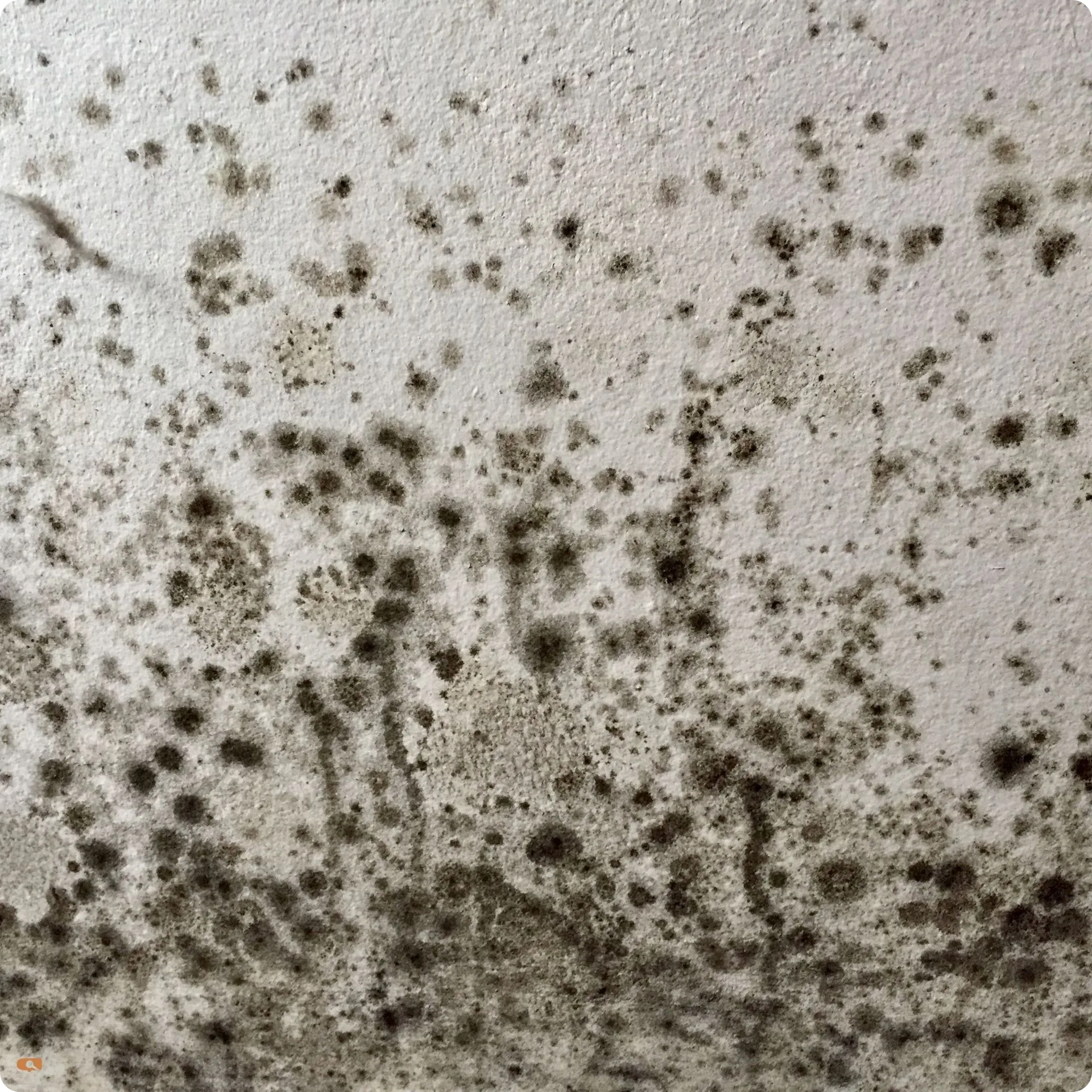
Roof and rooflight leaks and window leaks are among the most common entry points for water. If caught early — perished sealant, a failed rooflight gasket, or a tired window frame — the fix is usually a reseal or gasket renewal in the lower price tiers. Left alone, a roof leak can saturate the ceiling board and frame, and a window leak can rot the wall beneath it, pushing you into panel-level costs.
The key takeaway: a leak that produces a stain on the ceiling or a soft patch under a window is no longer a minor job in waiting — it is one wet season away from a structural one. See our guides on caravan roof leaks and window and rooflight leaks for repair detail.
How much does structural and floor damp repair cost?
This is the most expensive tier and where bills commonly run £1,500–£3,500 and beyond. Structural work includes replacing rotten wall framing, renewing or re-bonding a delaminated floor, and fitting new panels. Because it involves stripping interior fittings, drying, rebuilding the structure and refitting, labour hours dominate the cost.
At this point owners face a genuine economic decision: on an older, lower-value caravan, a major structural repair can approach or exceed the van's market value. A professional damp survey before you commit is money well spent, because it quantifies the extent of the damage and helps you weigh repair against replacement. Damp affects static caravans too — see our guide on static caravan damp.
When does DIY caravan damp repair end?
DIY has a clear ceiling with damp. Reasonable home tasks include cleaning and renewing exterior sealant on accessible joints, replacing a window rubber, and monitoring with a damp meter. That is genuinely useful preventative maintenance.
DIY ends the moment you find soft or spongy walls or floor, internal staining, a musty smell, bubbling or lifting wall board, or rising damp-meter readings. These point to water that has already reached the structure, where amateur sealing over the top traps moisture and accelerates rot. Diagnosing how far damp has spread, drying the structure properly and rebuilding bonded panels are workshop jobs. If in doubt, get a professional reading rather than guess — you can find a local caravan engineer near you to assess it.
How can I keep caravan damp repair costs down?
- Have an annual habitation check. Damp readings are part of a proper service, so problems are caught while they are still a reseal. See our caravan service cost guide.
- Reseal proactively on older vans rather than waiting for the leak.
- Act on the first sign — a stain, smell or soft spot. Every season of delay moves you up a price tier.
- Get more than one quote. Damp jobs vary in scope, so comparing quotes helps you understand what is and isn't included.
- Ventilate and store smart to reduce condensation, which is a separate but real moisture source.
For more on prevention and related repairs, browse our damp and leaks guides and the wider Tow-To Guide.
Compare caravan damp repair quotes
Because damp repair costs swing so widely, comparing local quotes is the single best way to avoid overpaying — or to find out early that a small reseal will save you a large structural bill later. Post a job describing your symptoms and your van, and compare quotes from local caravan engineers at no cost to you. Catching damp early is the cheapest repair you'll ever make.
This guide is general information, not professional advice. Caravan gas, electrical, braking and towing work is safety-critical — always use a Gas Safe registered engineer or other suitably qualified professional, and don't rely on this article to carry out the work yourself.
Related guides
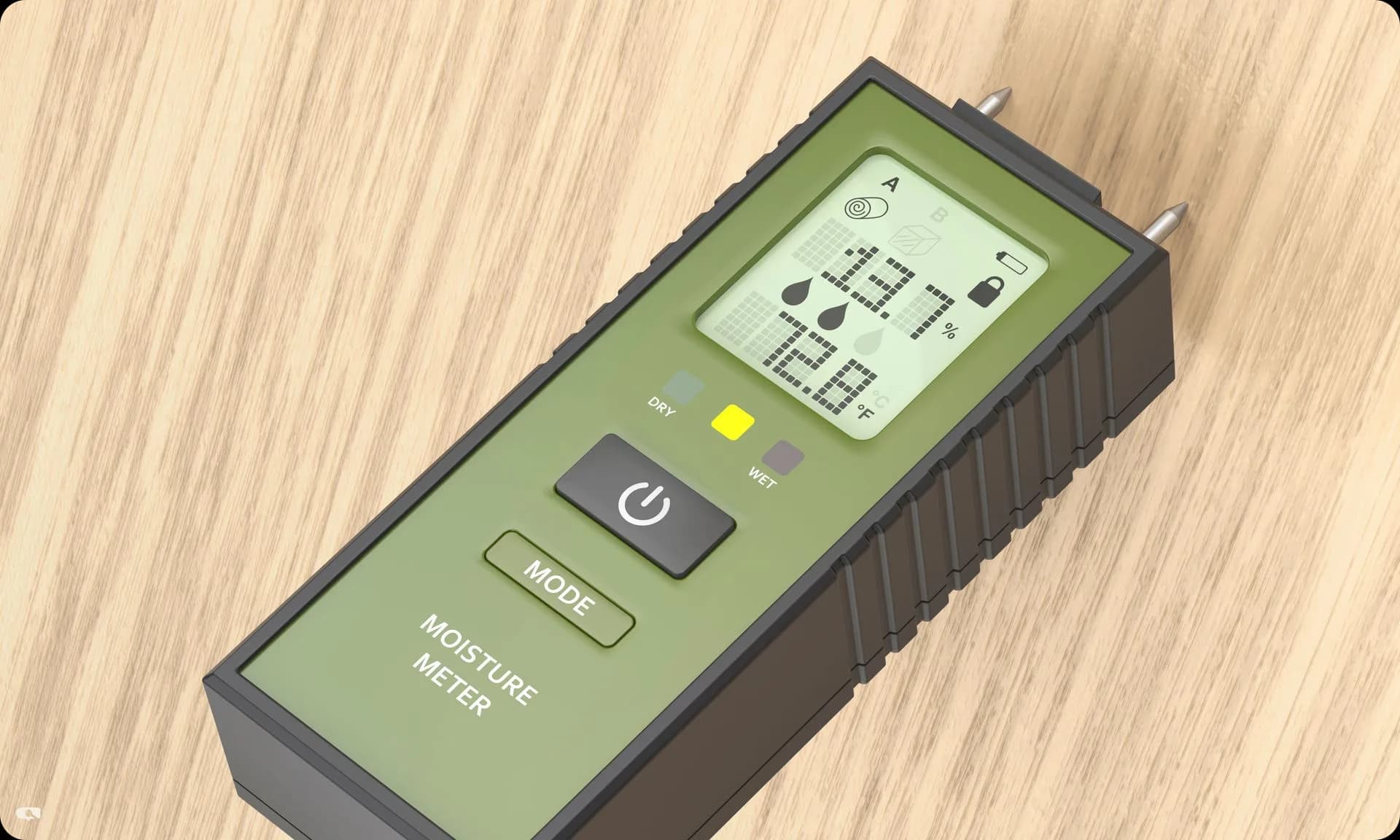
Caravan Damp: Signs, Causes & How to Prevent It
Musty smell, dark staining or a soft wall panel? Here's how to spot caravan damp early, tell ingress from condensation, and stop it spreading.
30 June 2026
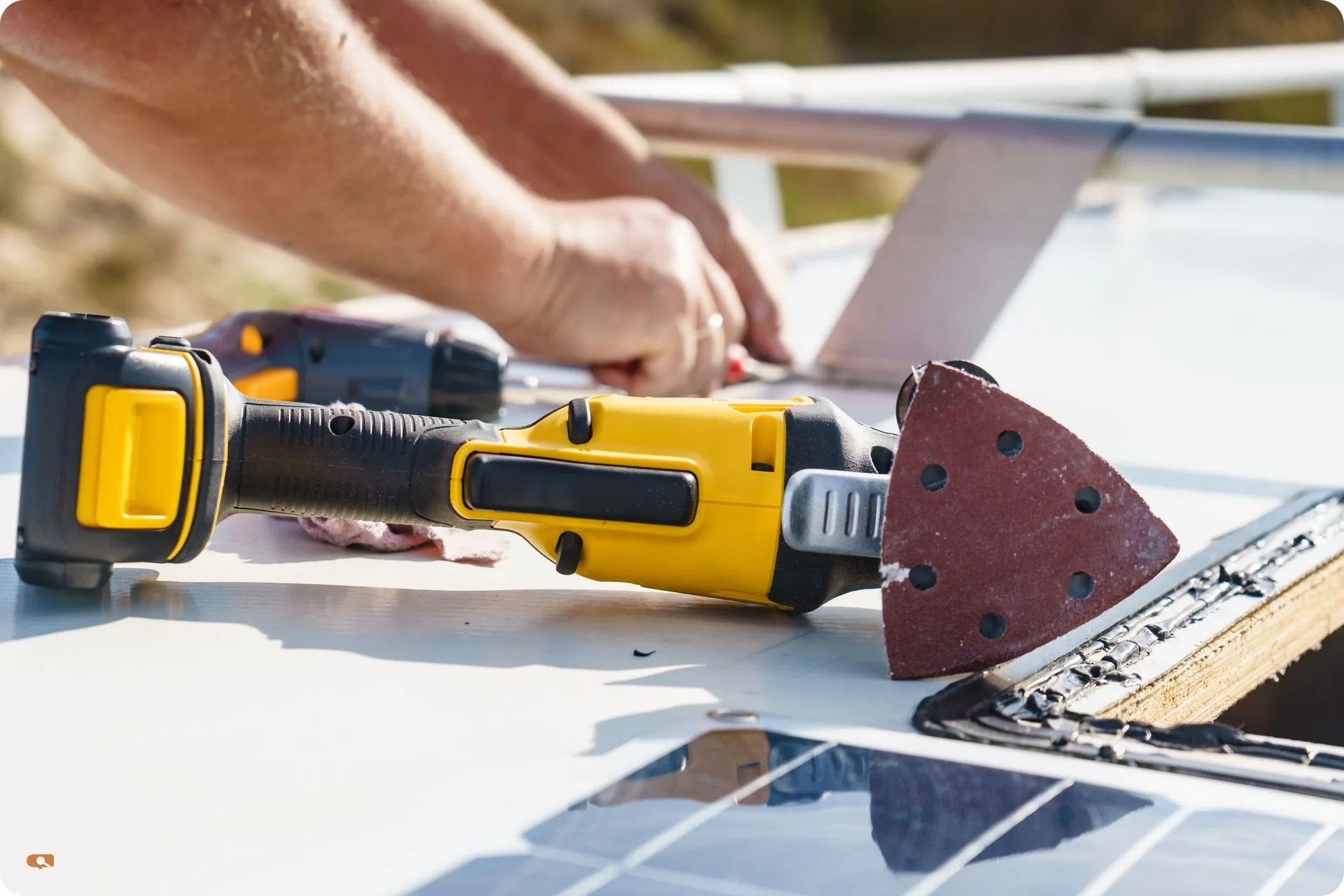
Caravan Roof Leak Repair: Causes, Fixes & Cost
What causes a caravan roof leak, how it gets fixed properly, what it costs, and what to do when water has already reached the roof void.
28 June 2026
How Much Does It Cost to Reseal a Caravan?
Caravan resealing costs explained — what the job actually involves, and how often the seals need renewing to keep damp out.
28 June 2026
Need work on your caravan?
Post your job to Compare Caravan Repairs and compare quotes from local engineers — free, with no obligation.
Post a job