
Caravan Damp: Signs, Causes & How to Prevent It
By Compare Caravan Repairs, Editorial team · Published 30 June 2026 · Updated 10 September 2026
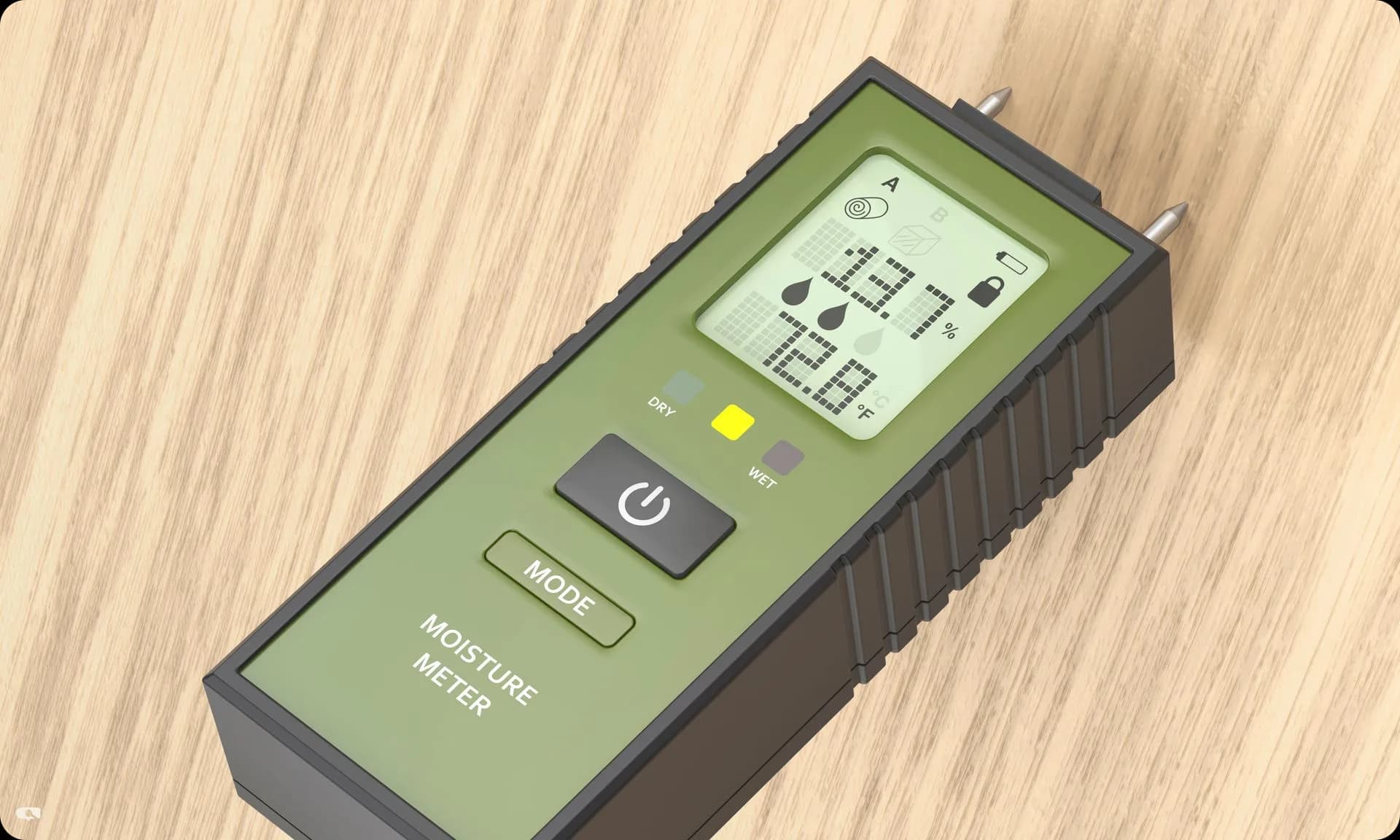
To spot caravan damp, use your senses and a moisture meter. The earliest warning is usually a musty, stale smell when you first open the door. Then look for dark tide-mark staining around windows, rooflights and the floor edges, blistering or lifting wallpaper, and soft or spongy spots in walls and floors. A damp meter reading consistently above the low/green band confirms it. Damp comes from two very different causes — water ingress through failed seals (an engineer repair) and condensation from living in the van (a ventilation fix). Catching it early is the difference between a quick reseal and a major structural rebuild.
What are the signs of damp in a caravan?
Damp rarely announces itself with a dramatic leak. It creeps in, so the signs of damp in a caravan are often subtle at first:
- A musty or stale smell — the classic caravan damp smell hits you as soon as you open up after the van has been closed. It's usually mould and trapped moisture in the linings and soft furnishings; decaying timber or board behind them is the advanced case, not the norm.
- Staining and tide marks — yellow-brown patches or dark lines, typically around windows, rooflights, lockers and where walls meet the floor.
- Lifting or bubbling — wallpaper peeling at the seams, decorative trim coming away, or wall board that looks rippled.
- Soft spots — press firmly around windows, in corners and along the floor. Healthy panels feel solid; damp ones feel spongy or give slightly.
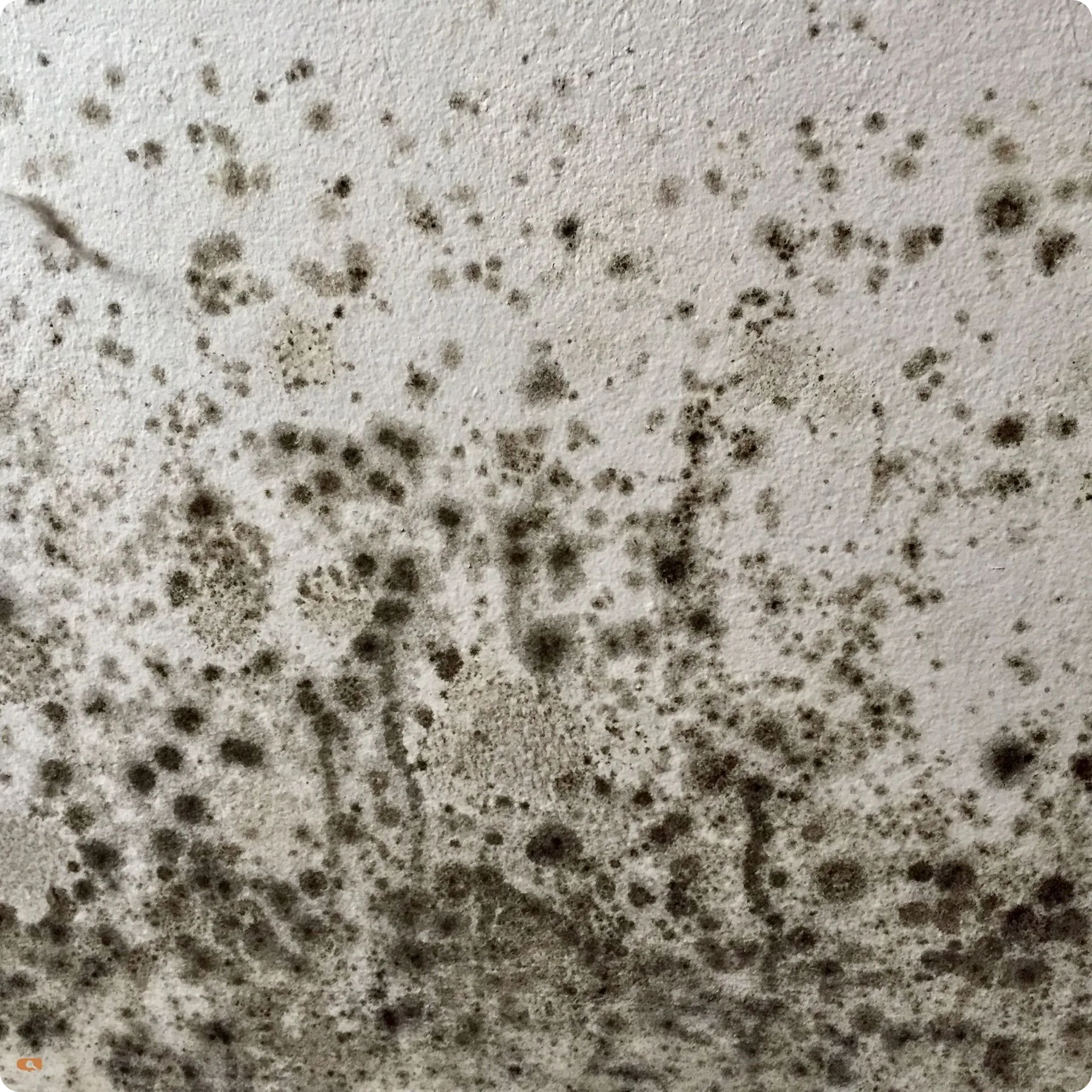
- Black mould or mildew — in corners, behind cushions, around seals and on soft furnishings.
- Cold, damp-feeling surfaces and condensation beads on windows that never seem to dry.
- High damp-meter readings — a two-pin meter pushed into the wall lining gives a percentage or colour band. Consistent readings in the amber or red zone signal a problem worth investigating.
One sign on its own may be nothing. Several together — especially smell plus soft spots plus high readings in the same area — points to active damp that needs acting on.
What causes caravan damp?
Understanding caravan damp causes matters because the fix is completely different depending on which you've got. There are two broad categories.
Water ingress (a seal or structural failure)
This is water getting in from outside through a failed joint or seal. Caravan bodies are panels bonded and sealed together, and every seam, screw and fitting is a potential entry point. Common culprits include:
- Perished mastic along body joints, awning rails and trims.
- Failed seals around windows and rooflights.
- Cracked or lifted roof seams and damaged roof sealant.
- Worn seals around service points, lights and panel fixings.
As specialist insurers and the caravan press regularly point out, water ingress is one of the most common and costly problems caravans suffer (see guidance from Practical Caravan and Caravan Guard). Left unchecked, ingress rots the timber frame and delaminates the bonded panels — turning a cheap reseal into a major rebuild.
Condensation (a ventilation problem)
Condensation is moisture generated inside the van — from breathing, cooking, kettles, wet clothing and gas heating — settling on cold surfaces. It mimics ingress (damp-feeling walls, black mould, musty smell) but the cause is poor ventilation and heating, not a leak. The cure is airflow and management, not an engineer's sealant gun.
Telling the two apart is the single most useful thing you can do. Ingress damp is usually localised around a specific fitting and worse after rain; condensation is widespread, worse in cold weather and on the coldest surfaces, and improves with ventilation.
How do you tell ingress from condensation?
A few honest checks will usually point you in the right direction:
- Where is it? Damp concentrated around one window, rooflight or seam suggests ingress. Damp spread evenly across windows, in every corner and behind soft furnishings suggests condensation.
- When is it worse? Worse after heavy rain or jet-washing points to ingress. Worse on cold mornings and when the van is occupied points to condensation.
- What do the readings show? Steadily rising meter readings in one area over months indicate ingress. Surface moisture that clears with ventilation is condensation.
If you suspect ingress, get it assessed properly — moisture tracks along timber and the visible stain is often nowhere near the actual entry point. A qualified engineer with the right meter and experience can trace it. You can find a local caravan engineer near you to carry out a damp survey.
How do you prevent caravan damp?
Prevention is far cheaper than repair. To prevent caravan damp, tackle both ingress and condensation:
Stop ingress before it starts
- Have a damp report done annually. A habitation service includes a full damp check — book it every year and keep the records. See what's included in a habitation service.
- Inspect external seals each spring and autumn. Look for cracked, lifting or discoloured mastic around joints, windows and rooflights.
- Don't ignore small failures. A tired seal is cheap to redo; rotten panels are not. Read more in our reselling cost guide.
- Check after storms or after fitting accessories — any new screw through the bodywork is a potential leak point.
Beat condensation
- Never block the fixed vents. Caravans are designed with permanent ventilation for safety and damp control — keep them clear.
- Ventilate while cooking and use lids on pans; crack a rooflight when boiling the kettle.
- Heat gently and consistently rather than in cold bursts — warm air holds moisture and reduces surface condensation.
- Dry wet clothing and towels outside the living space where possible.
- Use a dehumidifier or moisture traps over winter storage, and air the van regularly if it's stored at home.
- Lift cushions and open lockers when the van is in storage to let air circulate.
Is caravan damp an engineer job or a DIY fix?
This is where honesty matters. Condensation is almost always a DIY fix — better ventilation, heating habits and a dehumidifier. You don't need to pay anyone.
Ingress is an engineer job. Tracing the entry point, stripping linings, drying or replacing affected timber and board, then resealing correctly takes the right tools and experience. Specific repairs are covered in our guides to caravan roof leak repair and resealing. The key thing is not to delay: the cost of damp repair rises sharply once water reaches the structural frame. A small reseal caught early might be a modest bill; a delaminated wall or rotten floor section is a different scale of job entirely.
If you're unsure how far it's spread, ask an engineer for a damp report first. You'll get a meter map of the readings and a clear picture of whether you're looking at a seal refresh or something bigger. Browse more advice in our damp & leaks guides.
Get quotes for a caravan damp inspection or repair
Spotted the warning signs — a musty smell, staining or soft spots — and think you've got ingress rather than condensation? Don't sit on it. Post the job and get free quotes from local caravan engineers who can carry out a damp survey and the repair. See how it works, compare prices and choose the engineer that suits you. Catching damp early is the cheapest repair you'll ever make.
This guide is general information, not professional advice. Caravan gas, electrical, braking and towing work is safety-critical — always use a Gas Safe registered engineer or other suitably qualified professional, and don't rely on this article to carry out the work yourself.
Related guides
Caravan Roof Leak Repair: Causes, Fixes & Cost
What causes a caravan roof leak, how it gets fixed properly, what it costs, and what to do when water has already reached the roof void.
28 June 2026
How Much Does It Cost to Reseal a Caravan?
Caravan resealing costs explained — what the job actually involves, and how often the seals need renewing to keep damp out.
28 June 2026
How Much Does Caravan Damp Repair Cost? (UK 2026)
From a minor reseal to full structural work: the 2026 price ladder for caravan damp repair, and what decides where your bill lands.
25 June 2026
Need work on your caravan?
Post your job to Compare Caravan Repairs and compare quotes from local engineers — free, with no obligation.
Post a job