
Caravan Roof Leak Repair: Causes, Fixes & Cost
By Compare Caravan Repairs, Editorial team · Published 28 June 2026 · Updated 10 September 2026
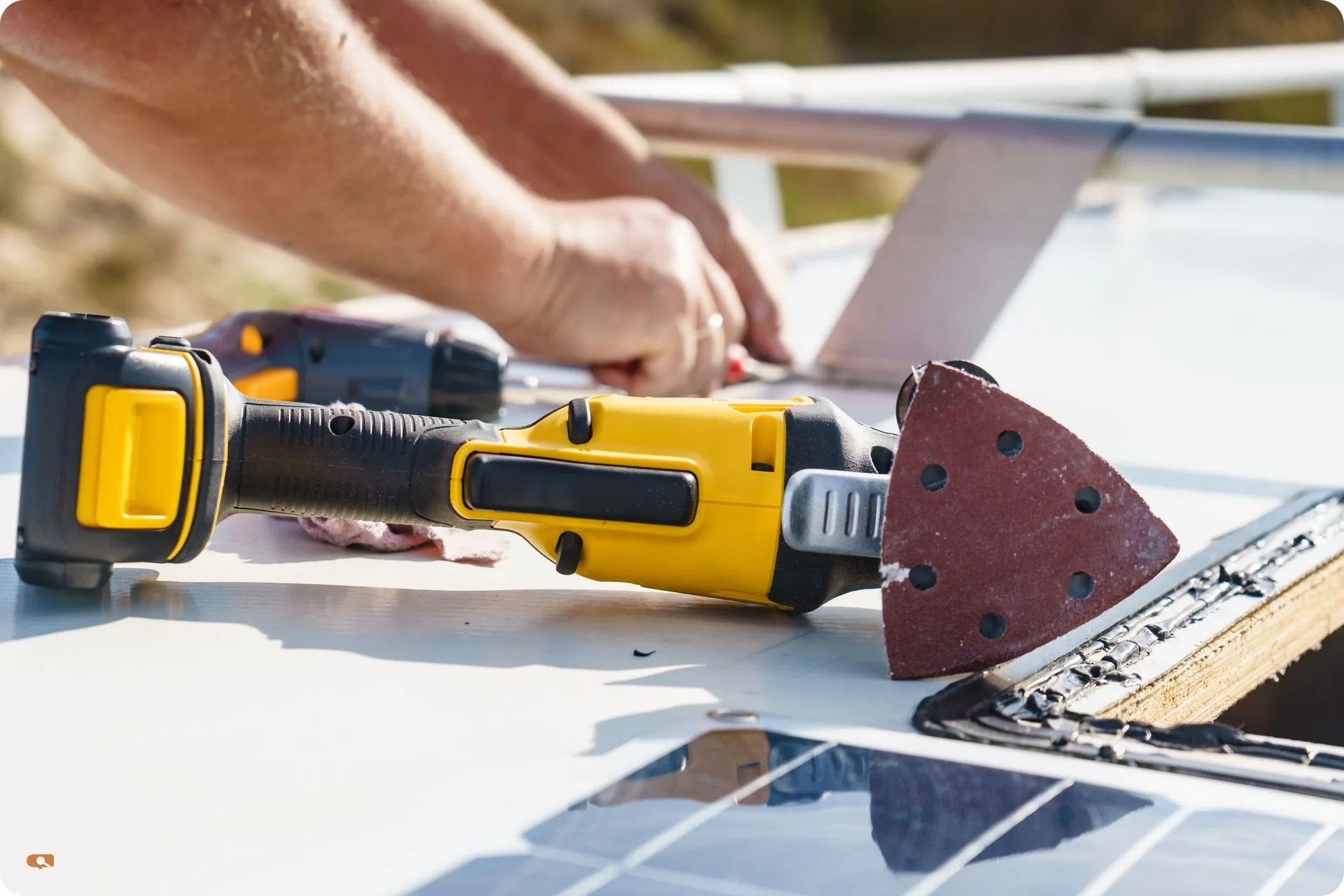
A caravan roof leak is usually caused by a failed sealant joint — most often around a roof seam, the rooflight, or a roof-mounted accessory like an aerial, solar panel or vent. The proper fix is to remove the old sealant, clean and dry the area, and reseal with the correct mastic or bonding tape; a quick patch over the top rarely lasts. Expect to pay roughly £80–£150 for a small reseal and from a few hundred to £1,500 or more if water has already reached the roof void and timber or panels need replacing. Act fast: roof leaks are the number-one entry point for damp, and the longer water sits, the bigger the bill.
Why is my caravan roof leaking?
Almost every caravan roof leak comes down to a seal that has aged, cracked or lifted. UK weather, UV exposure and the constant flexing of towing all work against the sealant that keeps your roof watertight. The usual culprits are:
- Roof seams and joints — the bonded or sealed strips where roof and side panels meet are a classic weak point as the original mastic hardens with age.
- Rooflights and skylights — a caravan rooflight leaking around its frame is very common, especially where the plastic surround has shrunk or the bedding sealant has perished.
- Roof-mounted accessories — TV aerials, solar panels, satellite domes, flue outlets and air vents all puncture the roof and rely on sealant that eventually fails.
- Cracked or stressed panels — hairline cracks, hail damage or overhanging branches can split the outer skin.
- Blocked or split gutters and drip rails that let water pool rather than run off.
Because water tracks along the inside of a panel before it drips, the stain you see indoors is often nowhere near the actual entry point. That's why diagnosing a roof leak properly matters more than slapping sealant on the first damp patch.
How do I find where a caravan roof is leaking?
Start on the roof — safely. Many caravan roofs are not designed to be walked on, so use steps or a platform and inspect from the edges, or have an engineer do it. Look for:
- Sealant that has cracked, gone brittle, lifted at the edges or discoloured.
- Gaps around rooflight frames, vent collars and accessory feet.
- Standing water, soft spots or any springiness in the roof skin.
Inside, check the ceiling and the tops of the walls for staining, bubbling trim or a musty smell. A damp meter helps, but readings near a known leak can mislead — a professional damp survey gives a much clearer picture of how far water has spread. Water ingress is one of the most damaging faults a caravan can develop, so finding the true source early is worth the effort.
Temporary fix or proper repair?
A temporary fix buys you time; it is not a cure. Self-amalgamating tape, a tube of overband sealant or a tarpaulin can keep the worst out for a few days while you wait for dry weather or a booked repair. That's sensible in an emergency.
A proper caravan roof seal repair means cleaning back to the panel, removing every trace of failed sealant, drying the area thoroughly, and rebedding the seam, rooflight or accessory with the correct sealant or bonding tape for that surface. Smearing fresh mastic over old, dirty or wet sealant simply traps moisture and the leak returns — usually worse, because you can no longer see where the water is getting in. If the leak sits on a major seam, a full reseal of the affected joints is the durable answer.
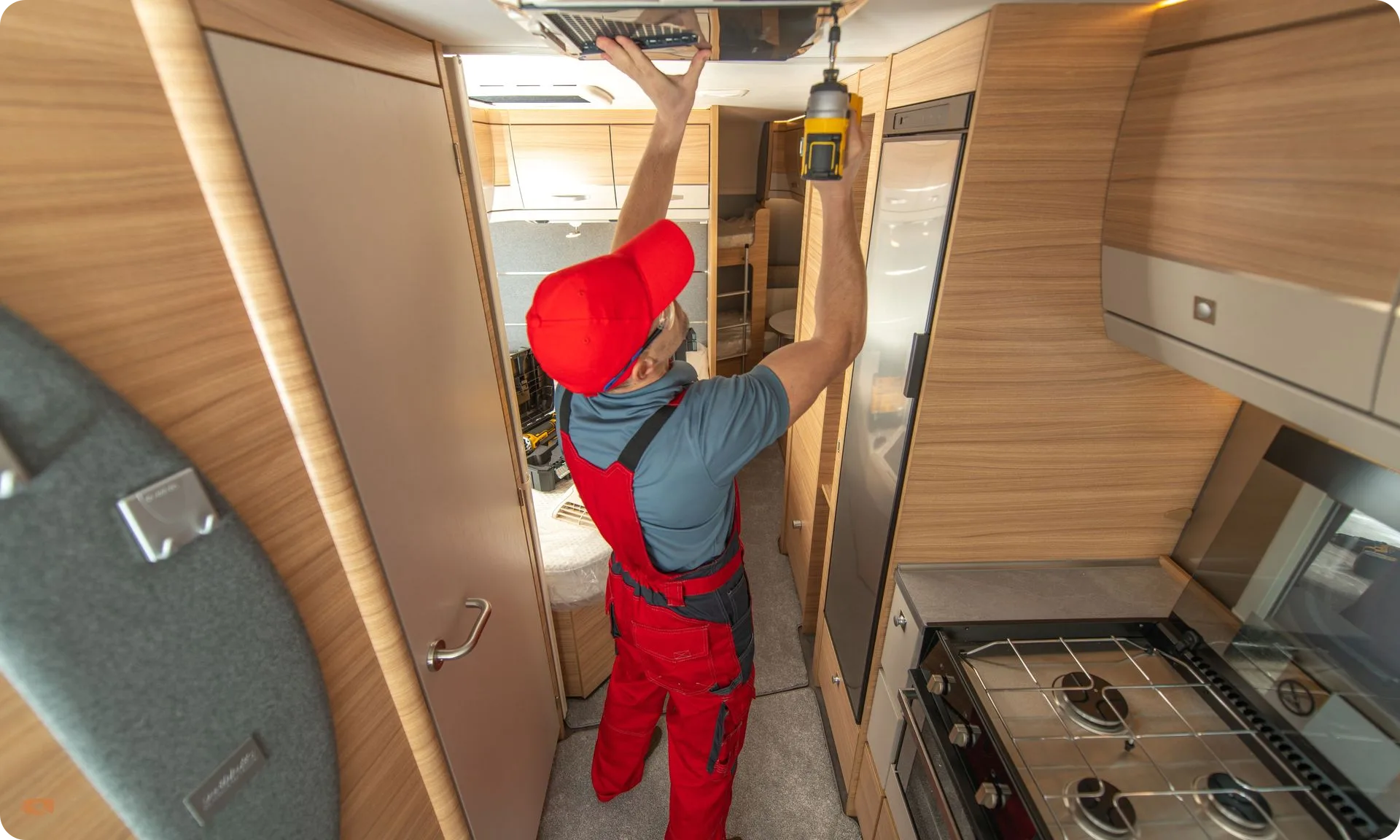
How do you fix a leaking caravan rooflight?
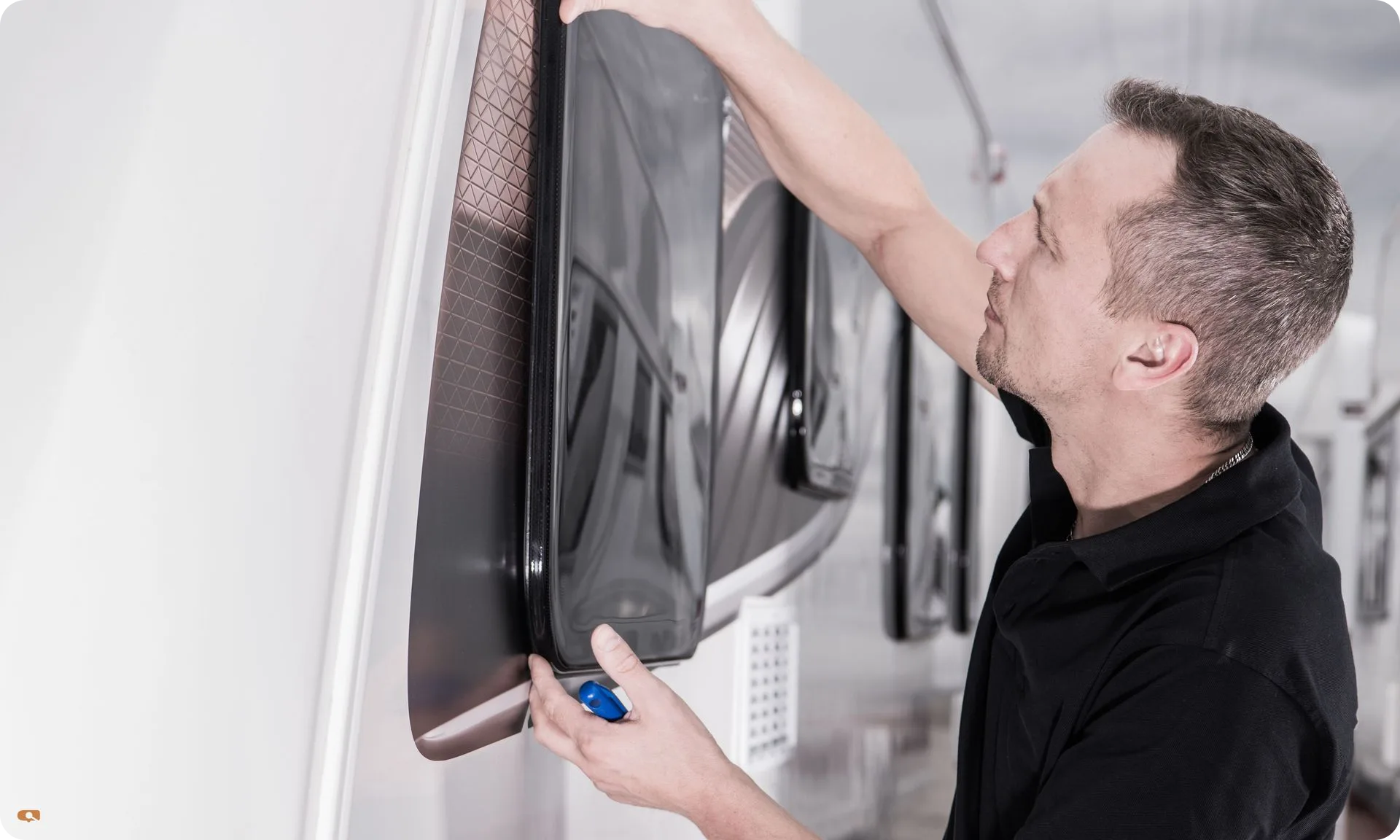
A caravan roof leaking around the rooflight is one of the most frequent jobs an engineer sees. The reliable method is to remove the rooflight, scrape away the old bedding sealant from both the frame and the roof aperture, clean and dry both surfaces, then refit on fresh sealant and refasten. If the plastic frame itself is cracked, warped or sun-perished, the rooflight is usually replaced rather than resealed. For the full process and replacement options, see our damp and leaks guides. Resealing rather than replacing is far cheaper, so an honest engineer will tell you which your rooflight actually needs.
What if the roof void is already wet?
This is where costs climb. Modern caravan roofs are typically a sandwich of outer skin, insulation and an inner board, sometimes with timber framing. Once water gets into that void it spreads sideways, soaks the insulation and can rot timber or delaminate the panel — a problem that's particularly costly where wet roof structure has to be opened up and rebuilt.
Signs the void is already affected include sagging or spongy ceiling areas, dark spreading stains, a persistent damp smell and high meter readings well away from the visible leak. At this stage you're no longer paying for a reseal — you may be paying for sections of board, insulation or framing to be cut out, dried and replaced. Catching it before this point is by far the cheapest outcome, which is the whole argument for treating any roof leak as urgent.
How much does caravan roof leak repair cost?
Costs vary widely with the cause and how far damp has spread. As a broad UK guide:
- Small reseal (a single accessory, vent collar or short seam): roughly £80–£150.
- Rooflight reseal or replacement: from around £100 for a reseal, more if a new rooflight unit is needed.
- Full roof-seam reseal: several hundred pounds depending on length and access.
- Wet roof void repair with panel, insulation or timber replacement: commonly £500 to £1,500+, and potentially more on larger or badly affected vans.
These are indicative figures, not quotes — the only way to know your price is to have the leak inspected and get itemised quotes. For how repair pricing fits into the wider picture, see our damp repair cost guide and our guide to how much a caravan service costs, since habitation checks are where many leaks are first caught.
How do I stop a caravan roof leaking again?
Prevention is mostly about sealant and inspection:
- Have seams, rooflights and accessory seals checked at every annual habitation service.
- Clear gutters and drip rails so water runs off rather than pooling.
- Address any new stain, soft spot or musty smell straight away — small leaks are cheap, ignored leaks are not.
- Keep the van ventilated and, where possible, store it under cover or with a breathable cover.
Regular damp checks are the single best defence, because they find a failing seal before water ever reaches the structure.
Get quotes for your caravan roof leak repair
If your caravan roof is leaking, the smart move is to get it inspected quickly and compare a few quotes before committing. Post your job on Compare Caravan Repairs and get free quotes from local caravan engineers — describe the leak, add photos if you can, and let nearby repairers come to you. See how it works or browse more guides in The Tow-To Guide for related damp and servicing advice.
This guide is general information, not professional advice. Caravan gas, electrical, braking and towing work is safety-critical — always use a Gas Safe registered engineer or other suitably qualified professional, and don't rely on this article to carry out the work yourself.
Related guides
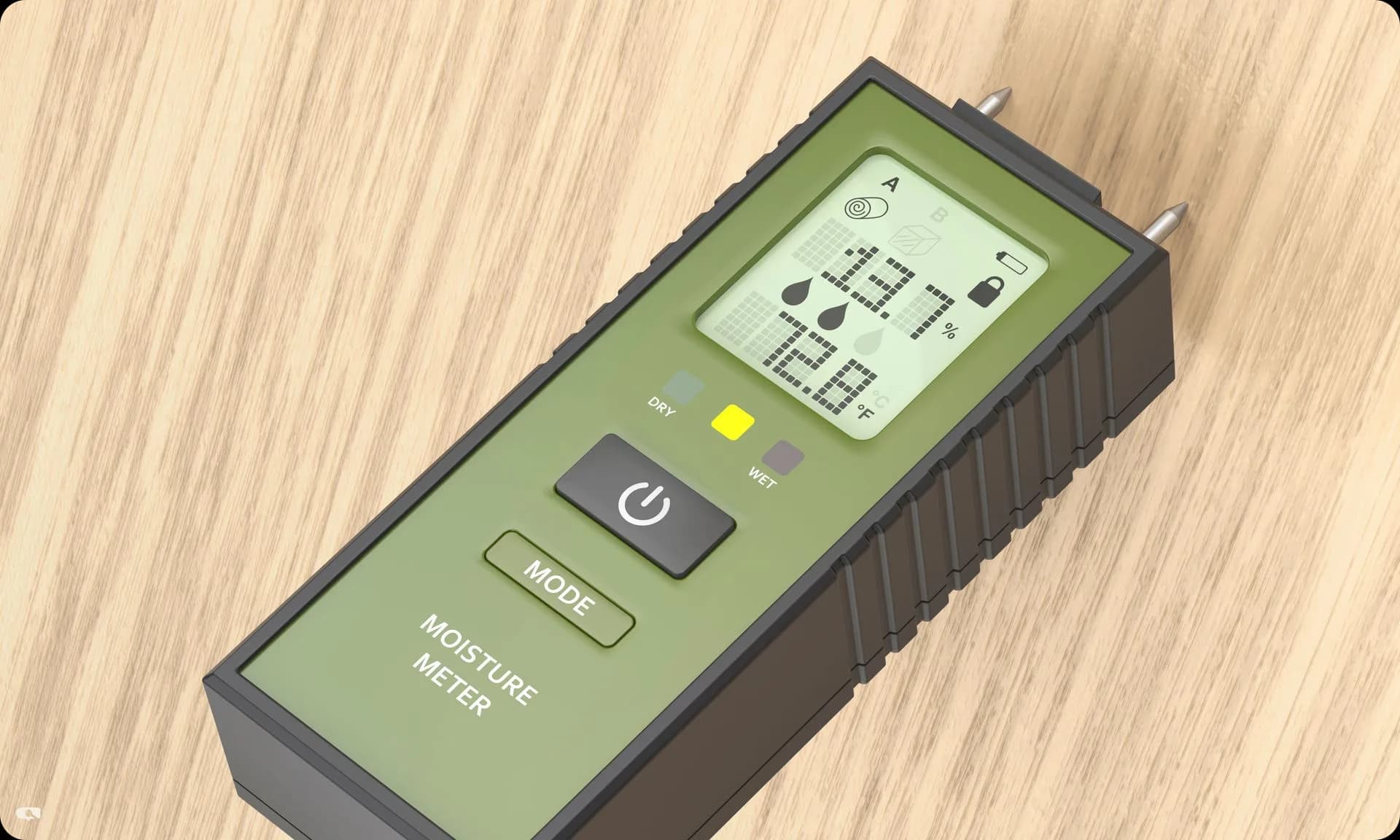
Caravan Damp: Signs, Causes & How to Prevent It
Musty smell, dark staining or a soft wall panel? Here's how to spot caravan damp early, tell ingress from condensation, and stop it spreading.
30 June 2026
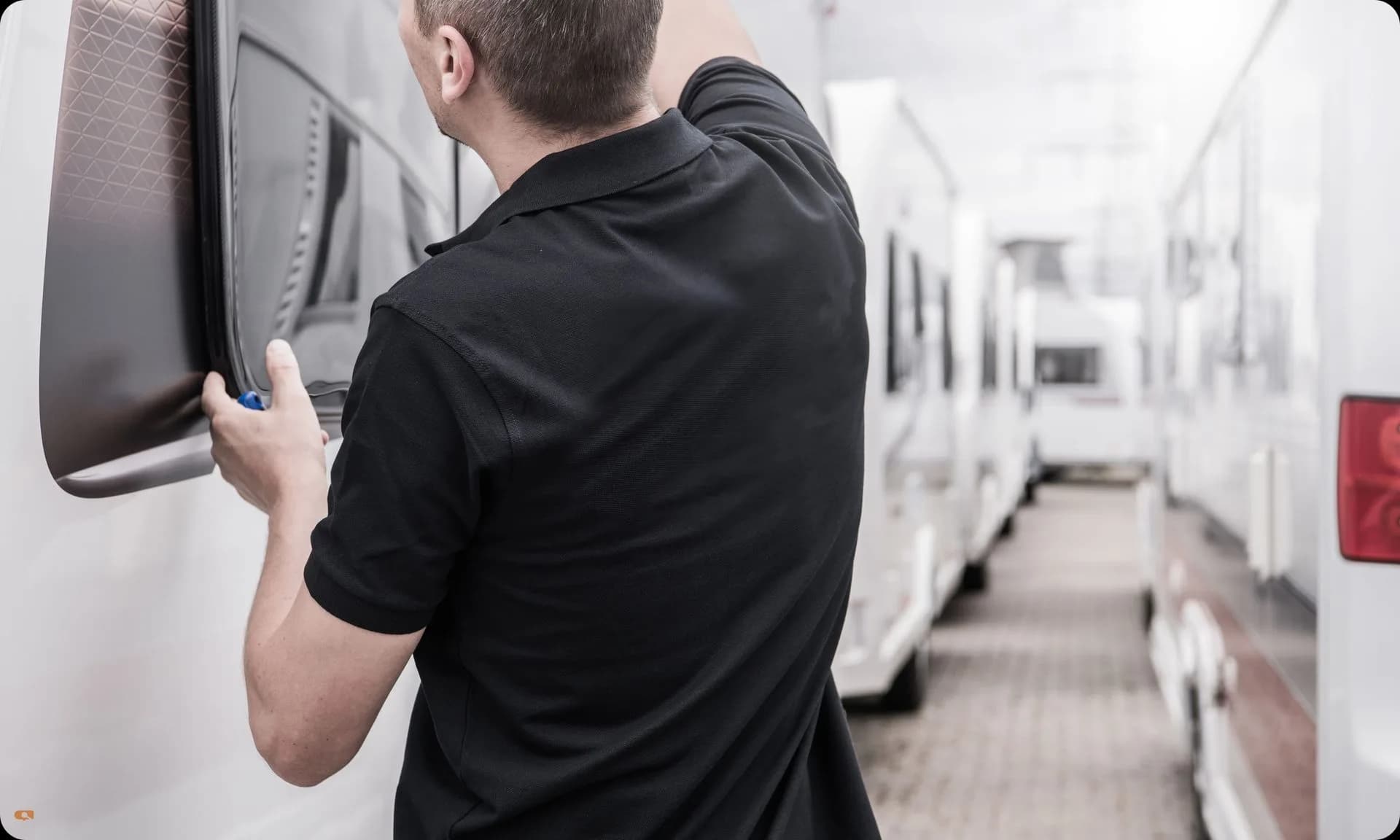
How Much Does It Cost to Reseal a Caravan?
Caravan resealing costs explained — what the job actually involves, and how often the seals need renewing to keep damp out.
28 June 2026
How Much Does Caravan Damp Repair Cost? (UK 2026)
From a minor reseal to full structural work: the 2026 price ladder for caravan damp repair, and what decides where your bill lands.
25 June 2026
Need work on your caravan?
Post your job to Compare Caravan Repairs and compare quotes from local engineers — free, with no obligation.
Post a job