
Truma Heater Not Working? Common Faults, Fixes & Repair Cost
By Compare Caravan Repairs, Editorial team · Published 30 June 2026 · Updated 12 September 2026
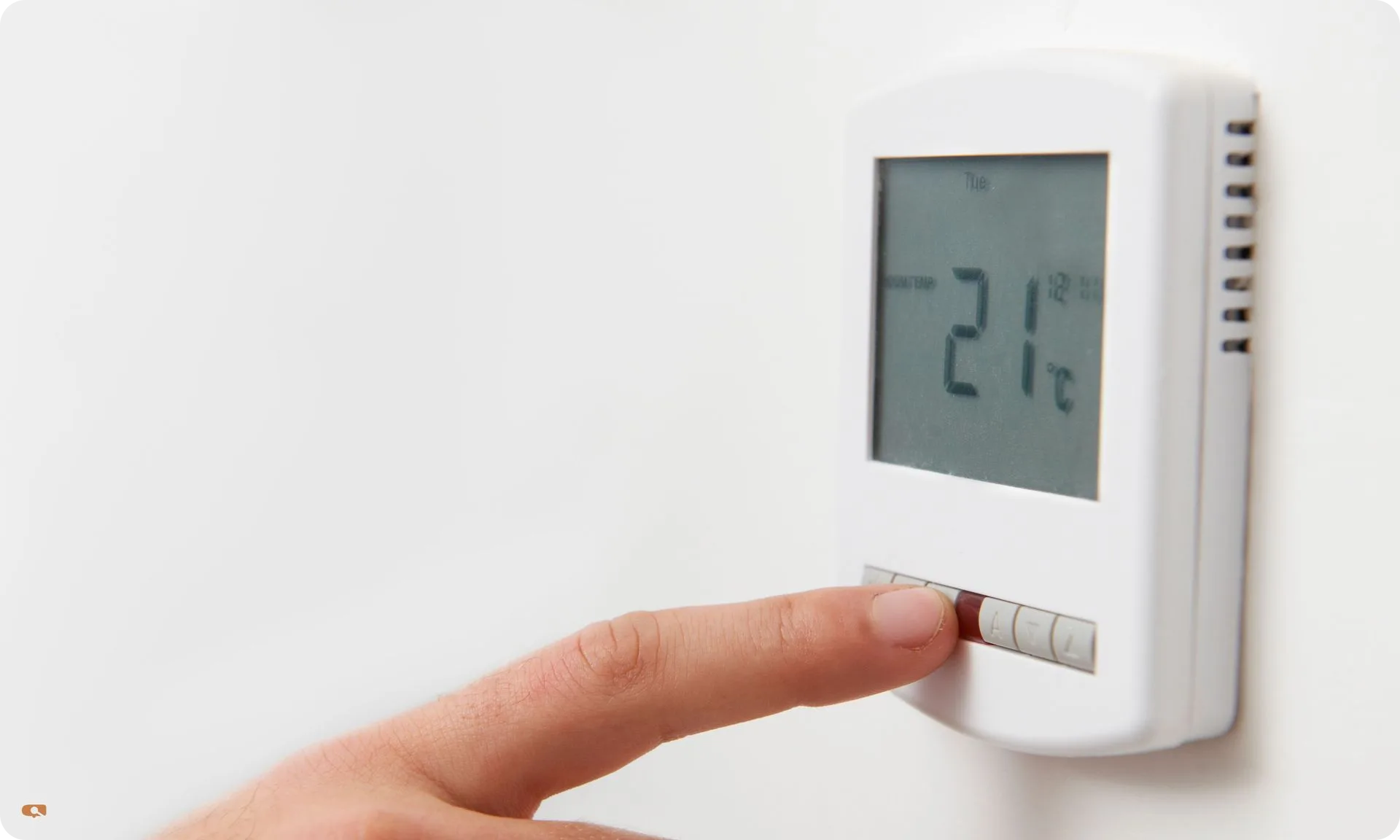
If your Truma heater is not working, start with the basics before assuming the worst: confirm the gas bottle isn't empty and the cylinder valve is open, check the 12V supply and any in-line fuse, and make sure the room thermostat is turned up and the unit is actually switched to the right mode (gas, electric or mixed). A blocked exhaust cowl, a tripped overheat cut-out, or a flat leisure battery stop many Truma systems dead. Anything beyond these owner-checkable items — the gas burner, igniter, PCB or heating element — needs a suitably qualified gas and habitation engineer, because Truma heaters are gas appliances and incorrect work is both dangerous and illegal.
Why has my Truma heater stopped working?
Truma blown-air and combination units (such as the S-series fires and the Combi range) can fail for several reasons, and the symptoms usually point to the area at fault:
- No power at all: flat or low leisure battery, blown fuse, a loose 12V connection, or a fault on the control panel. Most Truma units need a healthy 12V supply even when running on gas, so a tired battery is a common culprit.
- Gas mode won't light or keeps cutting out: empty cylinder, closed valve, air in the line after a bottle change, a dirty burner or igniter, or a blocked flue/cowl outside.
- Electric mode not heating: a failed heating element, a tripped RCD, or a fault on the circuit board. On older S-series fires the electric element is a frequent failure point.
- Fan runs but no heat (or heat but no fan): points to the fan motor, thermostat, or blown-air ducting rather than the burner itself.
- Unit lights then locks out: often the overheat trip, a sensor fault, or a PCB problem. Owners often describe similar intermittent lock-outs.
What can I safely check myself?
There are several no-tools checks an owner can make before calling an engineer. None of these involve opening the gas burner or the sealed appliance:
- Gas supply: swap to a known-full cylinder, confirm the valve is fully open, and check that other gas appliances (like the hob) light. If nothing gas-powered works, the problem is upstream of the heater.
- 12V power: check your leisure battery voltage and that the system is switched on. A battery sitting below about 11V can stop electronic ignition working.
- Fuses: inspect the relevant fuse for the heating circuit (your handbook shows which one) and replace like-for-like if blown. If it blows again immediately, stop and call an engineer.
- Thermostat and mode: turn the room thermostat well up and confirm you've selected the correct heating mode. On mixed mode the unit may favour electric until demand rises.
- External cowl: check the flue/exhaust cowl on the outside of the caravan is clear of leaves, mud-dauber nests or covers.
- RCD/mains: if electric heating is dead, see whether the hook-up RCD has tripped — our guide on why a caravan RCD keeps tripping walks through this.
If the heater still won't run after these checks, that's your cue to stop. Resetting an overheat trip, lighting a stubborn burner, testing an element or replacing a PCB are jobs for a qualified engineer.
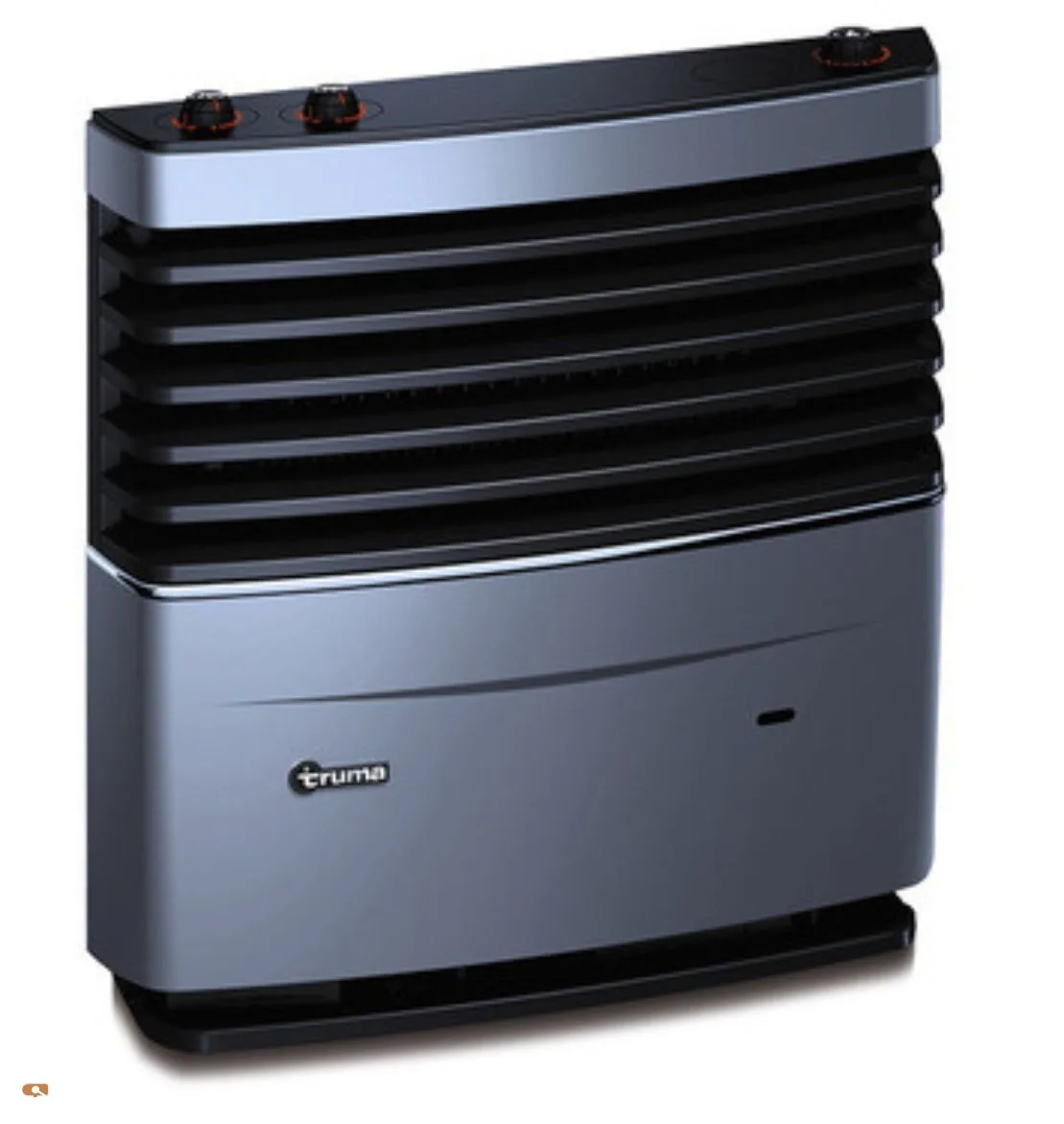
What needs a qualified engineer — and why?
A Truma heater is a gas appliance, so any work on the burner, gas line, flue or combustion components must be carried out by someone competent to work on caravan LPG systems. In the UK, anyone working on gas appliances for hire or reward must be on the Gas Safe Register and hold the relevant LPG/caravan categories — you can confirm an engineer's qualifications via Gas Safe Register. Faulty heating work risks carbon monoxide, fire and gas leaks, so this is not a DIY area.
The following are engineer-only jobs:
- PCB (circuit board) replacement — the brain of the heater; a common failure on electronic-ignition units.
- Heating element renewal on the electric side.
- Thermostat or overheat sensor diagnosis and replacement.
- Burner, igniter and flue cleaning or repair.
- Fan motor replacement on blown-air systems.
It's worth booking these alongside a habitation check so the whole system is inspected together — see our habitation service checklist and our gas safety guide for what a thorough inspection covers.
How much does a Truma heater repair cost?
Costs vary with the fault, the model and whether parts are needed, so treat the following as broad UK guidance rather than fixed prices — always get a written quote.
- Diagnosis / call-out: many engineers charge a labour or call-out fee to investigate, which is often offset against the repair if you go ahead.
- Element or thermostat: a moderate parts cost plus labour, generally one of the cheaper fixes.
- Fan motor: mid-range, depending on the unit.
- PCB replacement: typically the most expensive common repair. A replacement board plus fitting can run into several hundred pounds — owners commonly report figures around £400 once parts and labour are combined. Confirm the exact price before authorising the work.
Because Truma parts and labour rates differ between engineers and regions, comparing two or three quotes is the surest way to know you're paying a fair price. You can post a job and get free quotes from local caravan engineers on Compare Caravan Repairs, or find a caravan repairer near you directly.
Is it worth repairing an older Truma heater?
For a single low-cost fault — a fuse, element or thermostat — repair almost always makes sense. The decision gets harder when an older unit needs an expensive PCB and parts availability is limited. In that case, ask your engineer whether spares are still supplied for your model and weigh the repair cost against a replacement. A good engineer will give you both options honestly. If you're also chasing other issues like leaks, our damp and leaks guides and the wider heating and appliances guides may help you plan a combined visit and save on call-out fees.
Get quotes for your Truma heater repair
Don't sit through another cold night guessing. Describe the fault — no heat, won't light, electric not working, or a lock-out — and post a job to compare quotes from qualified gas and habitation engineers in your area. It's free for owners, and comparing quotes helps you avoid overpaying on parts like a PCB. Browse more caravan guides while you wait for your responses.
This guide is general information, not professional advice. Caravan gas, electrical, braking and towing work is safety-critical — always use a Gas Safe registered engineer or other suitably qualified professional, and don't rely on this article to carry out the work yourself.
Need work on your caravan?
Post your job to Compare Caravan Repairs and compare quotes from local engineers — free, with no obligation.
Post a job