
Caravan Brakes Binding or Seized: Causes, Fixes & Cost
By Compare Caravan Repairs, Editorial team · Published 28 June 2026 · Updated 12 September 2026
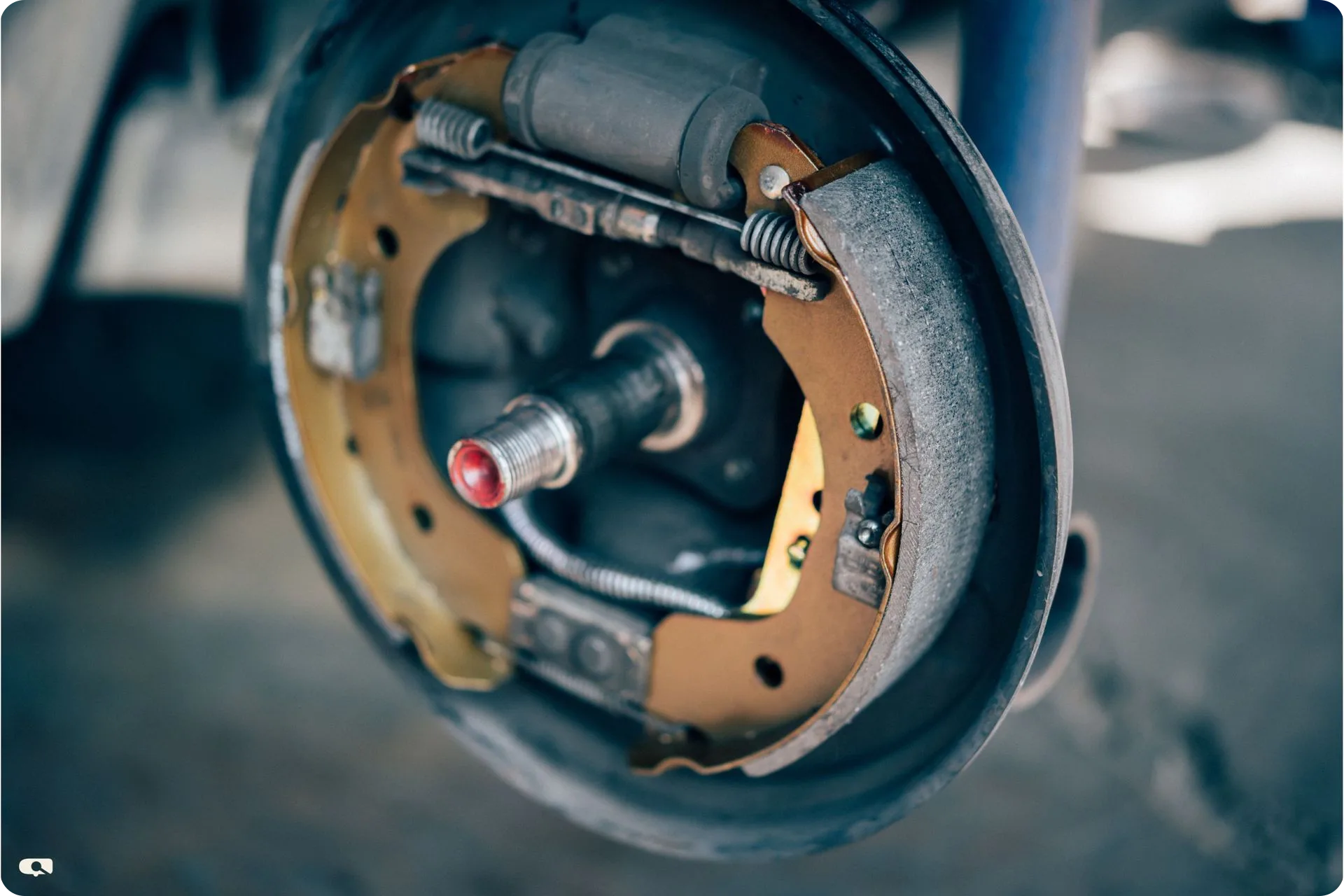
If your caravan brakes are seized or binding after a spell in storage, the usual culprit is rust and corrosion in the drums, shoes or auto-reverse mechanism, or a seized brake cable that has bound up in its outer sleeve. The handbrake may also be over-tensioned, or wheel bearings may be dragging. Try releasing the handbrake fully and gently rocking the van, but do not force a wheel that won't turn or attempt internal brake repairs yourself — caravan brakes are a safety-critical system. The safe fix is to have a qualified caravan engineer strip, clean, free and re-adjust the brakes before you tow.
Why do caravan brakes seize after storage?
Caravan drum brakes sit exposed to damp, road salt and standing water. Over a winter — or any long lay-up — that combination corrodes the internal surfaces and can effectively glue the components together. The most common reasons brakes seize or bind are:
- Corrosion in the drum and shoes. Rust forms between the brake shoes and the inner drum surface, so the shoes stay pressed against the drum and the wheel won't rotate freely.
- Handbrake left applied. Storing the van with the handbrake hard on for months allows the shoes to bond to the drum. Many owners chock the wheels and leave the handbrake off (with a steady or chocks securing the van) for exactly this reason.
- Seized brake cables. The cables that run from the handbrake lever to each wheel can corrode and bind inside their outer sleeves, so the brakes never fully release.
- Auto-reverse mechanism stuck. Modern caravans use an auto-reverse system that lets you back up without the brakes grabbing. Corrosion here can leave the brakes dragging or jammed on.
- Dragging wheel bearings. A worn or over-tight bearing can feel like a binding brake. It's worth ruling out — see our guide on caravan wheel bearing noise and failure within the brakes & running gear guides.
What safe checks can I do before calling an engineer?
There are a few sensible, low-risk checks you can make to understand the problem — but none involve dismantling the brakes themselves.
- Fully release the handbrake. Make sure the lever is right down and the gas strut (if fitted) hasn't held it part-applied. Check the breakaway cable isn't pulling the lever.
- Chock and check one wheel at a time. With the van safely chocked on level ground, try turning each wheel by hand if you can do so without jacking. A free wheel spins; a seized one won't budge.
- Try gently rocking the van. Sometimes a lightly bonded shoe will crack free with a small forward/backward movement on level ground. Never use force, a tow vehicle yanking the van, or sudden jerks to break it free.
- Look and listen. A grinding noise, a smell of hot metal after a short move, or one wheel noticeably hotter than the others all point to binding.
What you should not do is hammer the drum, spray penetrating oil into the brake assembly, drag the van on a seized wheel, or adjust the brake shoes by guesswork. What feels like a simple seizure can hide a worn cable, damaged auto-reverse unit or bearing fault — and getting it wrong on a braking system is dangerous.
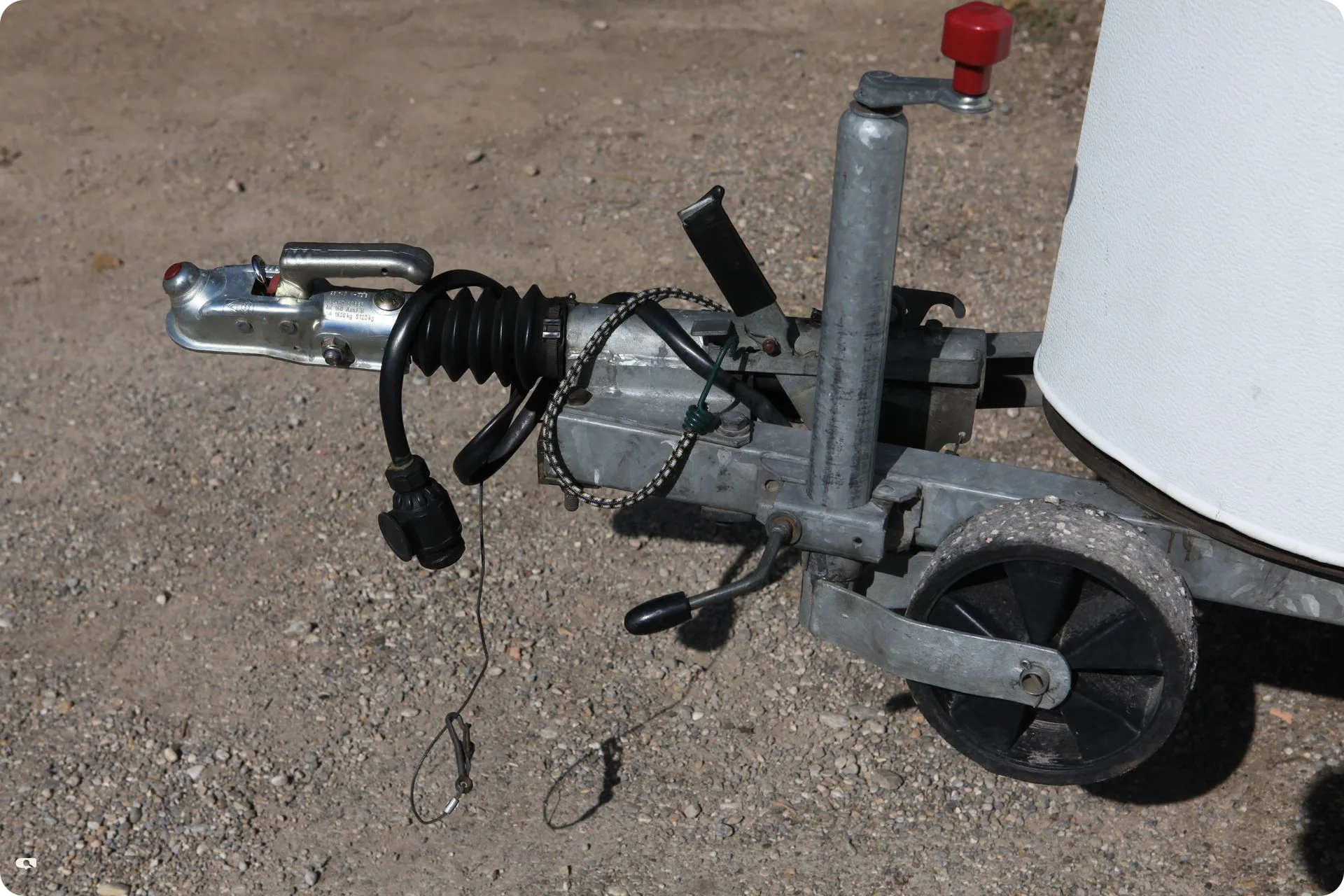
Why shouldn't I just adjust the brakes myself?
Caravan brake adjustment is well documented, and a competent, confident owner with the right tools and knowledge of their specific axle can do it. But there are good reasons most owners leave it to a qualified caravan engineer:
- It's the one system that stops your van. Incorrectly adjusted shoes can leave you with brakes that grab, drag, overheat or fail to hold on a hill — towing a tonne of caravan.
- Diagnosis matters more than adjustment. A binding brake is a symptom. The job is to find out why — corroded drum, seized cable, failed auto-reverse, or a bearing — and adjustment alone won't fix a seized cable.
- You need the right setup procedure. Auto-reverse brakes must be adjusted in the correct sequence and with the drum and cables checked, or the system won't work properly in reverse.
- It's checked at every service anyway. Brake operation and adjustment form part of a standard caravan service, so problems are often caught early if you service annually.
How much does it cost to fix seized or binding caravan brakes?
Cost depends entirely on what's wrong. A simple free-off and brake adjustment is far cheaper than replacing corroded brake shoes, cables or a damaged auto-reverse hub. As a rough guide:
- Brake adjustment / minor free-off: often a modest labour charge, sometimes folded into a service.
- New brake cables: parts plus labour per side, more if both sides have seized.
- New brake shoes and drum clean-up: more again, as the hubs come off and the assembly is stripped.
- Full brake overhaul (shoes, cables, expanders): the upper end, typical after a long lay-up where everything has corroded together.
Because prices vary by region, axle type and how much has seized, the only reliable figure is a quote based on your van. We've avoided inventing numbers here — instead, get free quotes from local caravan engineers so you can compare on the actual job. For context on what a routine visit costs, see How Much Does a Caravan Service Cost? (UK 2026), since brake checks are part of servicing.
My van is stuck and I can't tow — what now?
If a wheel is fully seized, don't be tempted to drag the van out with a tow car or winch — you risk damaging the brake assembly, the axle, or your tow vehicle, and a wheel that suddenly frees at speed is dangerous. Instead:
- Make sure the van is safe and stable where it stands (chocks, corner steadies as needed).
- Confirm the handbrake is fully off and nothing is mechanically holding it on.
- Call a mobile caravan engineer who can come to your storage site or home and free the brakes safely on the spot.
Many engineers on our network are mobile and used to dealing with post-storage seizures. You can find a local caravan engineer near you and flag the job as urgent.
How can I stop my caravan brakes seizing again?
Prevention is cheaper than a recovery. A few habits make a big difference:
- Service annually. A yearly habitation and running-gear service keeps brakes adjusted and corrosion in check.
- Don't store with the handbrake hard on for months. Where it's safe to do so, chock the wheels instead so the shoes don't bond to the drums.
- Move the van occasionally. Rolling it a short distance now and again helps keep cables and drums from seizing.
- Keep tyres and bearings healthy. A dragging bearing or under-inflated tyre masks brake problems and adds heat — see the running-gear and tyre advice in The Tow-To Guide.
Get it checked by a qualified engineer
Seized or binding brakes are not the place to guess. Describe the problem once, and compare quotes from local caravan engineers who can diagnose, free and re-adjust your brakes safely. Post your job and compare quotes to get your van rolling — and towing — again.
This guide is general information, not professional advice. Caravan gas, electrical, braking and towing work is safety-critical — always use a Gas Safe registered engineer or other suitably qualified professional, and don't rely on this article to carry out the work yourself.
Related guides
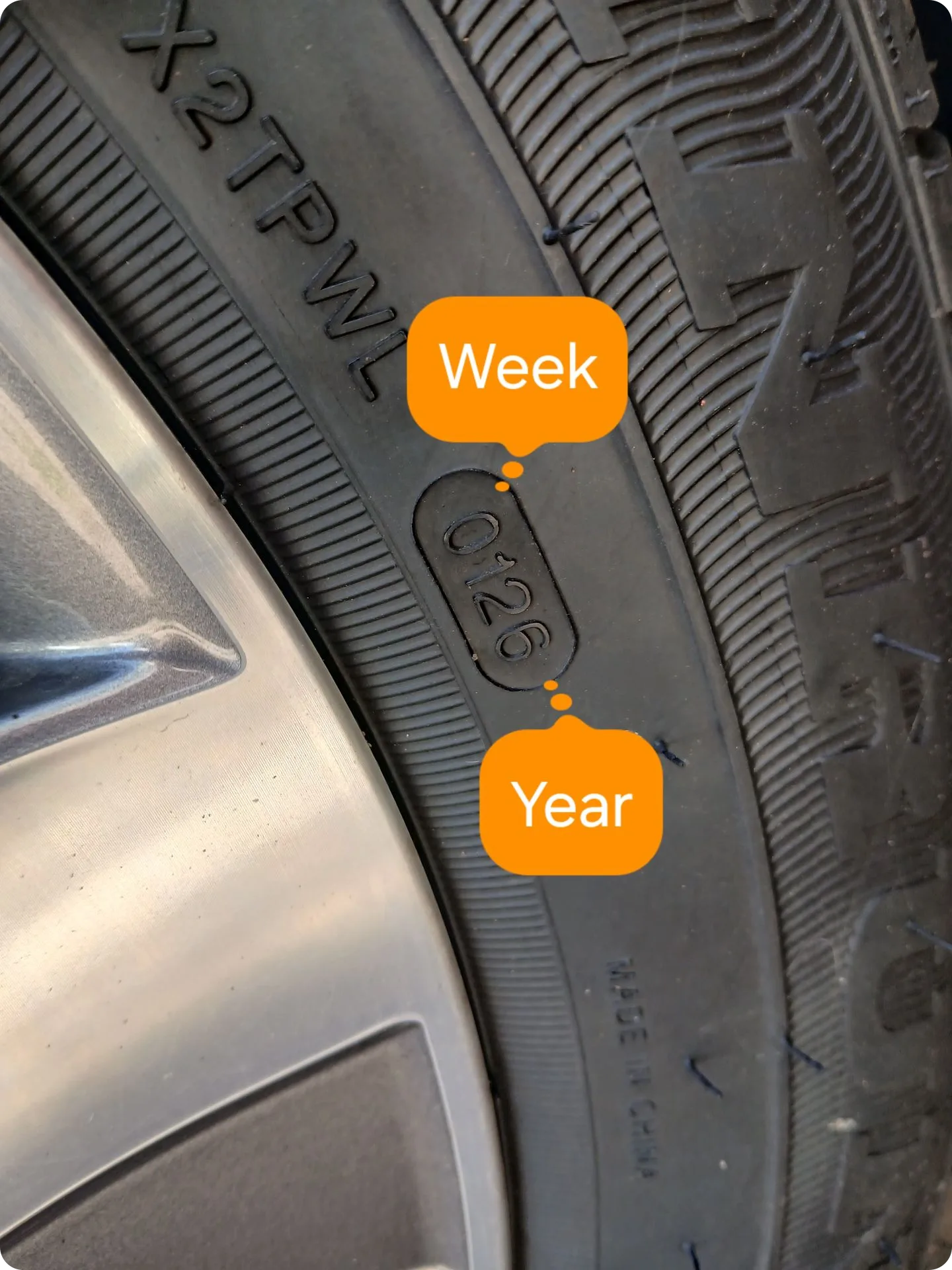
When Do Caravan Tyres Need Replacing? Age, Cracking & Safety
Caravan tyres are replaced on age, not tread — the 5–7 year guidance, how to read the DOT date code, cracking and pressure checks, and what replacement costs.
11 July 2026
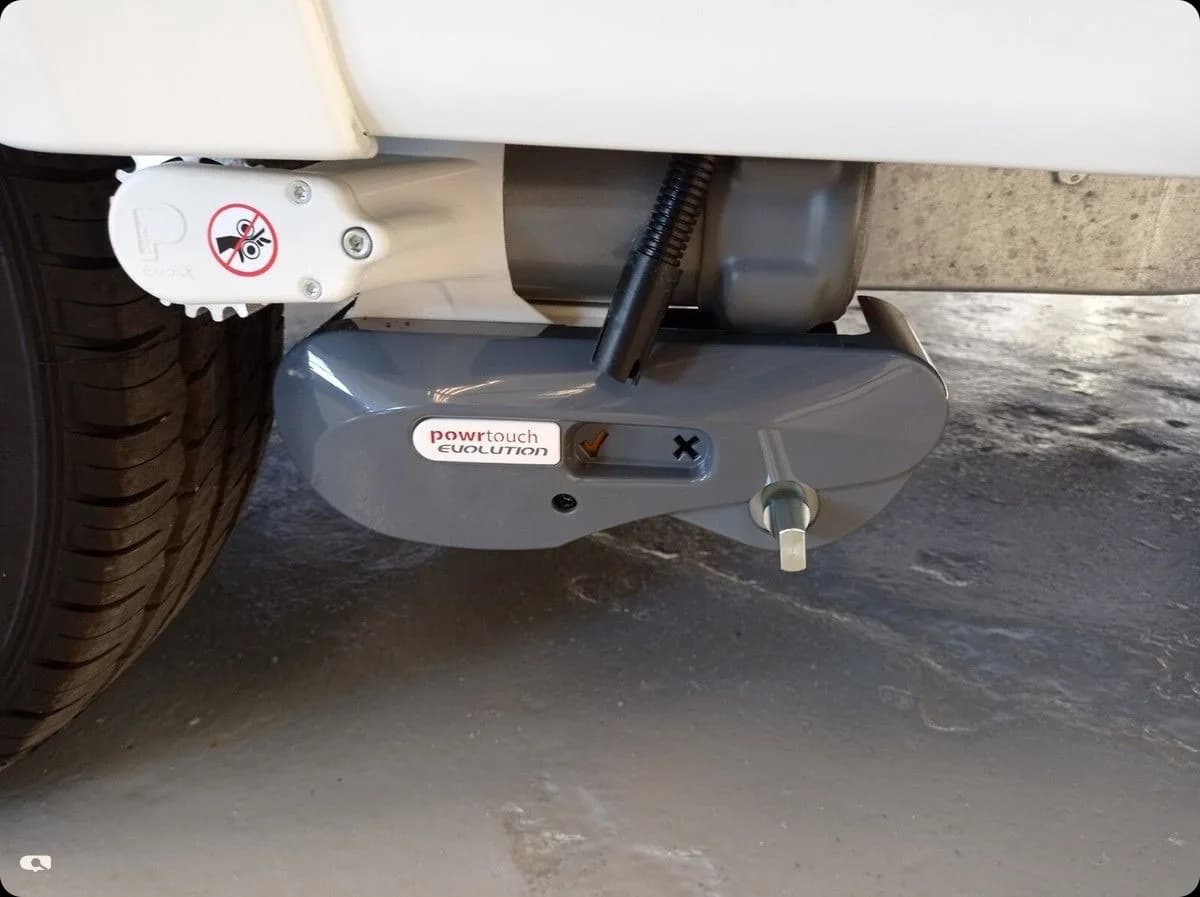
Caravan Mover Not Working? Repair or Replace Your Powrtouch or AL-KO Mover
Is it the battery, the control unit or the motor? Diagnosing a dead caravan mover, repair vs replace, and finding a specialist fast.
30 June 2026
Caravan Wheel Bearing Noise & Replacement Cost: The Owner's Guide
What a caravan wheel bearing rumble means, why you shouldn't tow on it, and what replacement typically costs in the UK.
28 June 2026
Need work on your caravan?
Post your job to Compare Caravan Repairs and compare quotes from local engineers — free, with no obligation.
Post a job